
Montana license plate options stretch from the plain standard tag to more than one hundred sponsored, military and collector designs. Each one carries its own fee, renewal rule and character limit, so the pick shapes both the look of the vehicle and the yearly bill. This page groups every option by family, pairs each with a photo of a real Montana plate, and lists the cost that comes with it.
Montana license plate types break into a short list of families: standard, sponsored, military, antique, disability, amateur radio and special mobile decals. A driver can hold one at a time, and the choice decides how many plates the vehicle needs, whether a yearly donation applies and how long the design stays current. Pick the family first, then narrow it down inside that family.
How to Choose a Montana License Plate
Four steps settle the choice for most owners, and an early pick can rule out a later one. The first is to match the plate to the vehicle. A passenger car takes two plates, a motorcycle, trailer or snowmobile takes one rear plate, and a heavy truck may need a commercial or apportioned tag. A farm vehicle may qualify for a lower fee under its own class. The second step is to pick the family. The Montana License Plate site keeps the related topics together. Standard, sponsored, military, antique, disability and amateur radio each carry their own rules on who may apply, and some demand proof of service, age or a medical note. The third step covers a personal combo. Standard designs allow up to seven characters and sponsored designs allow five, and a Montana personalized license plates request adds $25, then $10 at each transfer or renewal. The last step is to check the yearly cost. A sponsored plate adds a donation on top of the standard fee, and the Montana registration fee breakdown lists every charge by type.
- Standard — up to 7 characters, base fee only.
- Sponsored — up to 5 characters, base fee plus a yearly donation.
- Military and veteran — proof of service required, usually no extra charge.
- Antique — 30 years or older, one-time charge.
- Disability — medical form required with the request.
- Motorcycle and trailer — one rear plate, smaller face.
Availability decides the last step more often than cost. A popular sponsored design may sit on a waitlist, and a personalized combo can be taken by another driver. Check the design before you commit, since a swap later costs a fresh plate charge. The county treasurer hands over the plate once the title and registration are in order and every fee has cleared.
https://mvdmt.gov/license-plate-information/Standard Issue Plates
The standard plate lands on every new registration until the owner asks for another design. It carries a county prefix from the issuing county and a six-character serial drawn from that county’s block. The current run, in service since 2010, shows a white state outline on a blue field with TREASURE STATE across the top. A black background version sits beside it, and a driver can move to that design at renewal for a small fee.
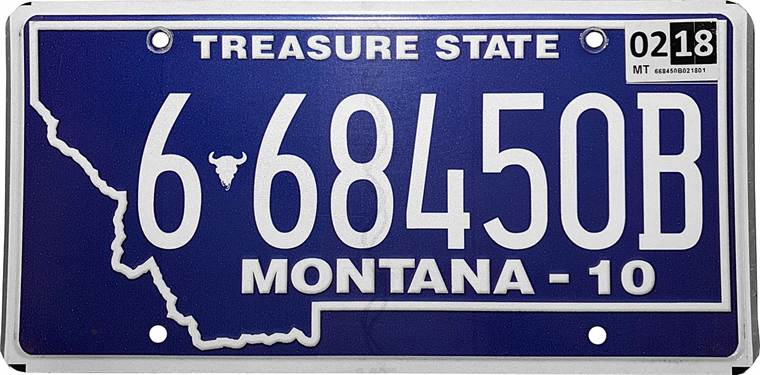
Montana refreshed the serial font in 2016, so two standard plates from the same decade can look slightly different. The older face carries a heavier type; the newer face uses a lighter, wider set of characters. Both stay valid until the state reissues the plate on its fixed cycle, and a driver keeps the same serial through the swap in most cases.
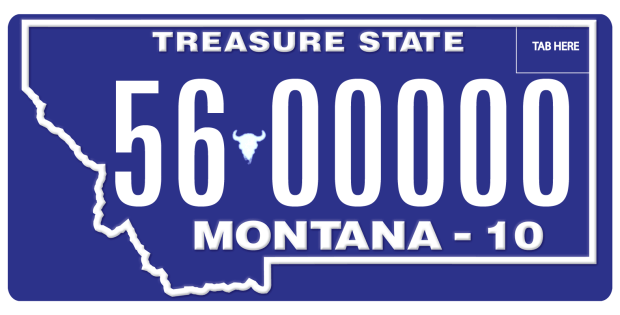
The standard family covers the plain tag on light trucks, vans and sport utility vehicles too. Weight sets the fee, so a half-ton pickup pays a different rate than a compact car. A driver who wants the black background asks for it at the counter and pays the plate charge once.
Older Standard Designs Still on the Road
Montana keeps several older standard designs in circulation. A driver can hold a 2004 design, a 1991 design or a 2006 design, and each one prints the state name in its own way. Mixed reception of the 2010 blue base pushed the state to keep the earlier bases available, so the roads carry a mix of designs that all stay legal.
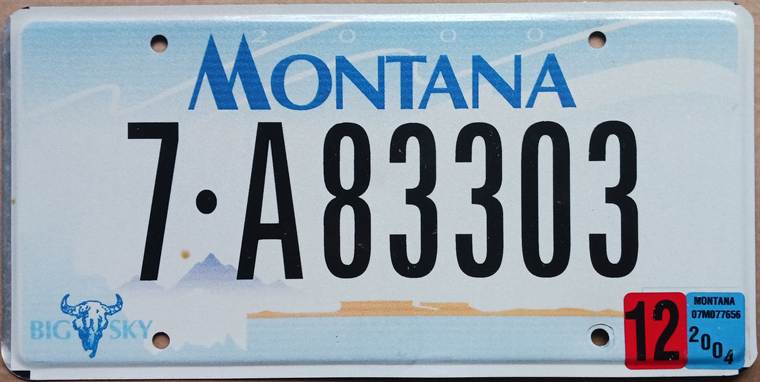
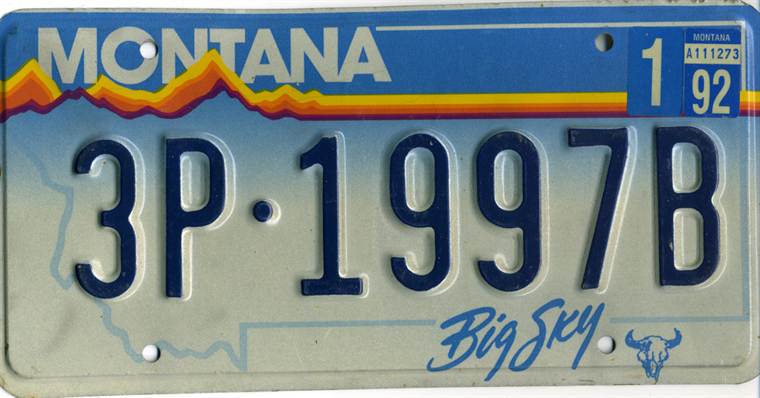
The serial on these older bases follows the same county code rule, so a tag that opens with 3 still points to Yellowstone County no matter which design sits on the metal. A driver who holds an older base can keep it through renewal, and the state swaps the metal only when it reaches the end of its cycle. Read the full breakdown on the Montana license plate numbers page.
Sponsored and Cause Plates
Sponsored plates raise money for a cause. Montana supports wildlife, parks, colleges, sports groups and dozens of charities, and each design adds a yearly donation on top of the standard registration fee. The amount differs by program, and the sponsoring group sets the figure. A driver picks the design, pays the base fee plus the donation, and the group receives the extra.
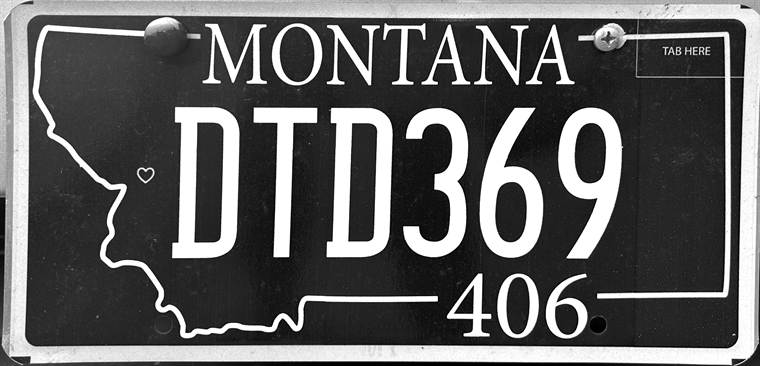
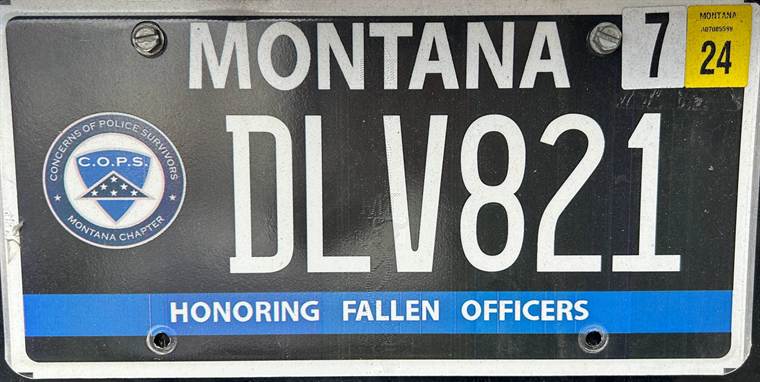
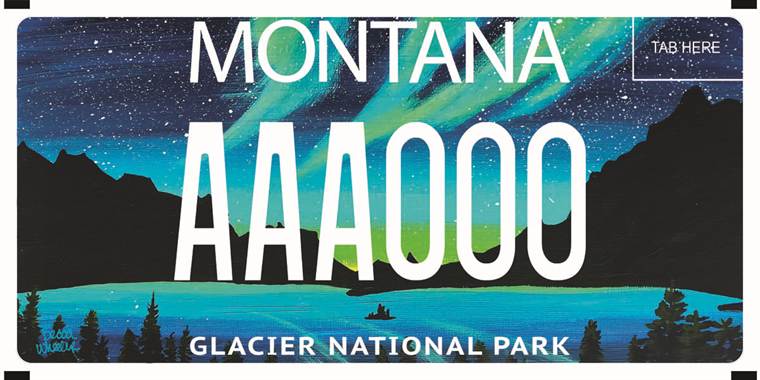
Some sponsored plates sell sample versions to collectors, and a few raise money for schools, wildlife groups and emergency services. Popular picks include Glacier National Park, wildlife and youth sports designs. Ask the county treasurer which sponsored plates the office keeps on hand, since a design that is not in stock may need a temporary permit until it prints. A sponsored plate stays with the owner and moves to the next vehicle when the owner registers that vehicle through the county treasurer. A new charity joins the program when lawmakers approve its bill, and the group then covers the design cost. That path shows why the sponsored list changes faster than the standard list. A program can close years later if the group ends its work or stops paying the fee.
Military and Veteran Plates
Montana offers a set of plates for service members and veterans. The family covers active duty, reserve, retired and honorably discharged owners, along with awards such as the Purple Heart and the Medal of Honor. A veteran plate normally carries no extra yearly charge, and proof of service goes with the application. The design shows the branch or the award, and the serial follows the normal county rule. A dependent or a surviving spouse may qualify for some of these designs. The county treasurer confirms which papers to bring, and the state reviews the request before it prints. Turnaround runs a little longer than a standard plate since each set prints to order.
Antique and Collector Plates
Antique plates suit a vehicle that is at least thirty years old and kept for shows or light use. The owner pays a one-time charge and skips the yearly renewal cycle in most cases. Montana has run collector designs across the decades, from the 1987 Centennial plate to the pioneer and vintage styles that show up at swap meets.
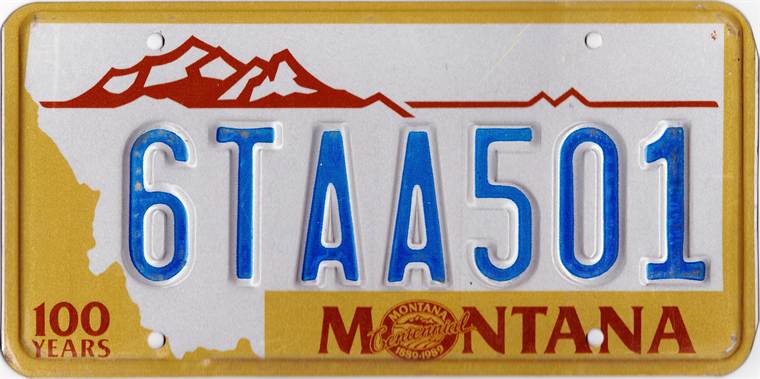
A collector who wants a clean plate for a classic car can order a sample through the state, and a few sponsoring groups sell samples on their own. Antique rules on use and mileage stay tight, so read the terms before you file. A vehicle on an antique plate should not double as a daily commuter, and the state can ask for proof of the vehicle’s age. The state runs a pioneer plate for vehicles from the earliest years of motoring too. A pioneer plate carries a special serial and a design that marks the vehicle’s age. The owner files proof of the build year, and the county confirms the record before the plate prints. Collector rules on use and mileage stay tight, so a pioneer vehicle should not double as a daily driver.
Disability and Special Mobile Decals
A Montana physical disability plate carries the international mobility symbol and allows parking in reserved spaces. The applicant supplies a medical form with the request. For vehicles that are too small for a standard plate, the state issues a special mobile decal instead. The decal is a single 3 by 3 inch sticker with a unique serial tied to the vehicle, and the placement depends on the vehicle type. A decal carries the same standing as a plate for the vehicle it marks. Keep it clean and readable, and replace a torn decal at the county office. The mobility symbol shows up on a mirror tag for short-term cases too, though the plate and the decal serve the long-term ones.
Motorcycle, Trailer and Commercial Plates
Motorcycles, trailers, snowmobiles and utility vehicles take one rear plate. The face is smaller than a passenger plate, and the serial follows the county code on the older runs. Heavy trucks, buses and fleets that cross state lines use commercial or apportioned designs, which split registration fees across the states where the vehicle runs. A fleet owner files one application for the whole group rather than one per truck. An apportioned plate suits a long-haul fleet that runs through several states each month. The owner reports the miles driven in each state and pays a share to each one. A trailer carries its own plate and registration, and a farm truck may fall under a farm class with a lower rate.
Plate Sizes, Materials and Mounting
A Montana passenger plate measures 12 inches wide by 6 inches tall and uses aluminum stock. Motorcycle plates run smaller, and trailers use a similar narrow face. Mounting holes follow the pattern set across the United States in 1956, so a plate from any year fits the same bracket on a Montana vehicle. Screened serials replaced embossed ones on the newer runs, which means the characters sit flat against the metal rather than raised. Older plates from the 1990s carry raised type and a different weight. Keep the bolts tight and the plate flat, and swap a bent plate at the county office rather than straightening it by hand.
Ordering a Sample Plate
A collector can order a sample Montana plate from the state for a set fee. The sample carries the design of a current plate, and it does not register a vehicle. Some sponsoring groups sell their own samples, so a collector can fill a shelf with cause designs that never touch a car. The order form asks for the design and the quantity, and the state mails the samples once the fee clears. A sample plate is not a legal plate for road use, and the state marks it as a sample so an officer can tell the two apart.
Where Montana Plates Are Made
Montana has produced plates under state control for decades. Earlier runs came from a prison shop that stamped the metal, and the current work follows a state contract with tight control over the design and the serial. The state keeps a fixed cycle for standard plates and reissues the metal so the reflective sheeting stays readable at night and in rain. The plate metal uses aluminum since it resists rust and holds a reflective coat well. A damaged or faded plate is replaced at the county office, and the new set carries the same serial in most cases. A driver who moves a plate to a new vehicle swaps the registration first, since the county ties the tag to the record.
Plate Family at a Glance
| Family | Who may apply | Plates issued | Yearly charge |
|---|---|---|---|
| Standard | Any registered owner | Two, front and rear | Base registration fee |
| Sponsored | Any registered owner | Two | Base fee plus a donation |
| Military and veteran | Service members and veterans | Two | Usually no extra charge |
| Antique | Vehicles thirty years or older | Two | One-time charge |
| Disability | Owners with a medical form | Two | Base registration fee |
| Amateur radio | Licensed operators | Two | Base registration fee |
| Motorcycle and trailer | Any registered owner | One rear plate | Class rate |
| Commercial and apportioned | Fleets and heavy vehicles | Two | Weight and mileage share |
Tabs, Decals and Renewal by Design
Montana marks a valid registration with tabs rather than a full plate swap. A permanently registered vehicle gets one tab printed PERM. Every other vehicle shows two tabs: a white tab for the month of registration and a colored tab for the year. The tabs sit on the plate itself, and the county mails a fresh set once the owner pays the yearly fees. A decal takes the place of a tab on the less familiar vehicle types. Each decal carries a serial that links to the vehicle and the owner on file, and the placement shifts with the vehicle class. Keep the plate and the tabs clear of dirt and covers, since a hidden tab can draw a fine during a routine stop. A renewal notice lists the amount owed and the due date, and the county mails the tabs once the payment clears. A missed renewal adds a late fee, and a plate that lapses for long may push the owner to register the vehicle from the start.
How Many Designs Exist
Montana lists well over one hundred plate designs across all families. The count climbs each session as lawmakers approve new sponsored programs and retire older ones, so a figure from one year drifts by the next. The core families stay steady, and the sponsored line-up changes with every charity that joins or leaves the program. New residents swap an out-of-state tag for a Montana design within 60 days of moving. The Montana plate lookup walkthrough covers how to read a plate once it is on the vehicle.
Frequently Asked Questions
These five questions come up most often at the county counter. Each answer stays short so the point lands fast.
How many license plate designs does Montana offer?
Well over one hundred across the standard, sponsored, military, antique, disability, amateur radio and special mobile families. The total moves each session as lawmakers approve new sponsored designs.
Can I switch my Montana plate design later?
Yes. Ask the county treasurer to swap the design at renewal or mid-year. A new design may carry a fresh plate charge, and a sponsored pick adds its yearly donation.
How many characters can a Montana plate hold?
Standard designs allow up to seven characters, and sponsored designs allow five. The state screens each request for profanity, duplicate tags and public symbols.
Do Montana sponsored plates cost more each year?
Every sponsored design adds a yearly donation on top of the standard registration fee. The sponsoring group sets the amount, so the figure differs from one program to the next.
Does Montana charge extra for an antique plate?
An antique plate carries a one-time charge and skips the yearly renewal cycle for most vehicles. Rules on use and mileage stay tight, so confirm the terms before you apply.