
Montana vehicle registration fees follow a fixed state schedule set in law, not a guess. A light vehicle under one ton pays $217 a year if it is four years old or newer, $87 if it is five to ten years old, and $28 if it is eleven years or older. A plate set adds $12, and a personalized design adds $25 up front then $10 at each renewal.
Montana registration fees stack several lines: the state rate, a plate fee, a parks fee, a fixed $10 charge, the county option tax and the personal property tax on the vehicle. This page lists the exact figures from the state schedule, shows the table for each vehicle class, and adds the totals a driver meets at the county counter in 2026.
How to Estimate Your Montana Plate Fees
Four steps turn the state schedule into a workable number for your vehicle. Start with the vehicle class. A light vehicle under one ton, a heavy truck, a motorcycle, a trailer, a motor home and a boat each sit in a different group in the state table, and the class sets the base rate. Then read the age or weight line. Every related topic sits on the Montana License Plate site. A light vehicle rate depends on the age of the vehicle, and a trailer or travel trailer rate depends on the declared weight or the length. Add the plate and fixed fees next, since a new plate set adds $12, every registration carries a $9 parks fee and a $10 state charge, and a light vehicle may add an optional $5 fee. Finish with the county lines, where the option tax and the personal property tax on the vehicle arrive at the same counter.
- Light vehicle, 4 years or newer — $217 a year.
- Light vehicle, 5 to 10 years — $87 a year.
- Light vehicle, 11 years or older — $28 a year.
- New plate set — $12, plus a $9 parks fee and a $10 state charge.
- Personalized plate — $25, then $10 at each renewal.
https://mvdmt.gov/license-plate-information/Light Vehicle Fees by Age in 2026
The state charges a light vehicle rate by age rather than by model. The rule covers cars, light trucks and buses at one ton or less, along with light logging trucks. A driver reads the age of the vehicle and matches it to one of three lines.
| Vehicle age | Annual registration fee |
|---|---|
| 4 years old or newer | $217 |
| 5 through 10 years old | $87 |
| 11 years old or older | $28 |
| MSRP over $150,000, 10 years or newer | Base rate plus $825 |
A light vehicle eleven years or older may be permanently registered instead of renewed each year. The permanent route carries a one-time fee set in law, and the state issues a tab printed PERM. A driver who plans to keep a long-held truck can save the yearly cycle that way.
The High-Value Vehicle Surcharge
A light vehicle with a manufacturer’s suggested retail price above $150,000 and an age of ten years or less pays the base rate plus $825 a year. The surcharge sits on top of the standard line, so a new luxury model can run past $1,000 in state fees alone. The rule uses the manufacturer’s suggested retail price for the model rather than the price paid on the lot. A used buyer of a high-value model still meets the surcharge as long as the vehicle stays inside the ten-year window. The figure drops away once the vehicle passes ten years. A motor home follows a similar rule at a higher threshold. A motor home with a suggested price above $300,000 and an age of ten years or less pays its age line plus $800 a year. The two surcharges fund the division’s administration account.
Motor Home Registration Fees
A motor home pays an annual rate set by age. The state lists four lines, and the figure falls as the vehicle ages. A motor home eleven years or older may take a permanent registration in place of the yearly cycle.
| Motor home age | Annual registration fee |
|---|---|
| Less than 2 years old | $282.50 |
| 2 to under 5 years old | $224.25 |
| 5 to under 8 years old | $132.50 |
| 8 years old or older | $97.50 |
| Permanent, 11 years or older | $237.50 one time |
The permanent motor home route adds a $5 insurance verification fee, five times the personalized renewal fee if the plate carries a personal combo, and any specialty donation tied to the design. A driver who wants a clean one-time total should ask the county treasurer to add those lines.
Motorcycle, Trailer and Travel Trailer Fees
A motorcycle or a quadricycle pays a one-time registration fee of $53.25 for highway use, $53.25 for off-highway use, or $114.50 for both. A safety fee of $16 is collected with the registration. A rider who registers under the annual route pays $44 a year, or $88 for both uses, plus a $7 safety fee each year. A trailer, a semitrailer or a pole trailer pays a one-time fee of $61.25 when the declared weight sits under 6,000 pounds, and $148.25 at or above that mark. The annual route under the state code runs $30 and $60 for the same two weight bands. A travel trailer pays a one-time fee by length. A unit under 16 feet runs $72, and a unit 16 feet or longer runs $152. A snowmobile pays $60.50 once, or $40.50 with a valid winter trail pass affixed to the machine.
Off-Highway, Boat and Collector Fees
An off-highway vehicle other than a quadricycle or motorcycle pays a one-time fee of $61.25, or $41.25 with a valid summer motorized recreation trail pass. A low-speed electric vehicle, and a golf cart in some cases, pays $25 once. A boat follows a length table. A personal watercraft or a motorboat, sailboat or motorized pontoon under 16 feet runs $65.50. A unit from 16 feet to under 19 feet runs $125.50, and a unit 19 feet or longer runs $295.50. A motor vehicle kept and operated solely as a collector’s item pays a one-time fee based on weight. A vehicle at 2,850 pounds or over runs $10, and one under that mark runs $5. An antique plate pairs with that low one-time figure rather than a yearly charge.
The Plate Fee and the Fixed Charges
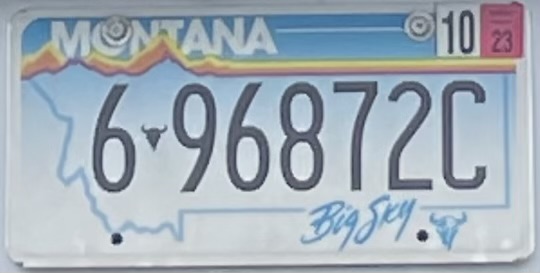
A new set of standard plates, a single new standard plate, or a replacement set of special plates carries a $12 fee. A driver who keeps a plate number issued before January 1, 2010 during a required replacement adds $16. A plate transfer between vehicles skips the $12 charge. Every light vehicle adds a $9 fee for state parks, fishing sites and trails. A driver may certify at registration that the vehicle will not visit those sites and elect out of the $9. The election expires if the vehicle passes to a new owner. A $10 charge applies to each registration and goes to a state account set in law. A light vehicle owner may elect to pay an extra $5 for transportation too. The parks fee, the $10 charge and the optional $5 sit apart from the base rate on the notice. Two donations ride along at registration. A $1 donation to the traumatic brain-injury program is added by default, and the owner can opt out. An organ-donor gift and a cancer screening gift of $1 or more are available on request at the county counter.
Personalized and Specialty Plate Fees
A personalized plate adds $25 at the start and $10 at each transfer and each renewal. The charge sits on top of the base registration. A driver who personalizes a sponsored design pays the sponsor fee as well. A specialty plate carries its own figure, and the amount goes to the sponsoring group. A collegiate plate runs $30 and funds a scholarship at the chosen school. An amateur radio operator plate carries a one-time $10.30 fee, and a veteran or Purple Heart plate adds $10 a year. A vintage plate costs $25.75 for a vehicle at 2,850 pounds or less and $30.90 above that mark. The Montana license plate types page lists each family and the fee that rides with it. The Montana county code list names the office that collects the local lines.
County Option Tax and Personal Property Tax
The state registration fee sits apart from the county option tax and the personal property tax. The county commission sets the option tax, and the figure shifts with the local budget across the years. Two drivers with the same car in different counties land on different totals. The personal property tax tracks the taxable value of the vehicle rather than the plate. A newer or heavier vehicle carries a higher value, so the tax climbs with it. The amount falls each year as the county applies its depreciation schedule. The county treasurer collects both lines at the same counter and publishes the current rate on request. Ask for one quote that covers the state rate, the plate fee, the fixed charges, the option tax and the vehicle tax. That single figure is the number that matters.
A Worked Example: A 2020 Pickup
Take a 2020 pickup under one ton, kept in a mid-size county. The truck sits at six years old at the 2026 renewal, so the state line lands at $87. The plate set was issued years ago, so no $12 charge applies at renewal. Add the $9 parks fee and the $10 state charge for a running total of $106. The owner skips the optional $5 and keeps the $1 brain-injury gift in place. Now the county lines arrive: a local option tax and the personal property tax tied to the truck’s value. A truck of that age carries a moderate taxable value, so the county tax can add a few hundred dollars on top of the $106. The exact figure depends on the county and the vehicle value, and the county treasurer holds both numbers. A driver who wants a firm total should ask the office for the county lines alone, since the state side stays fixed.
What Changes the Total from Year to Year
Three things move a Montana bill across the years. The first is the age of the vehicle, since the state light vehicle rate drops at year five and again at year eleven. A car held for a decade can shed most of its state registration charge. The second is the personal property tax, which falls each year as the county applies its depreciation schedule. A newer vehicle carries a higher taxable value, so the county line is heaviest in the early years. That slide shows why a long-held truck feels cheap to renew. The third is a move across a county line, which swaps the option tax and the vehicle tax to the new county. A plate keeps its county code until the next renewal, and the new office sets the figures from there. Read the code on the tag on the Montana license plate numbers page to see which office holds the record.
Where to Pay and What to Bring
A driver pays the registration bill at the county treasurer’s office for the county that keeps the vehicle. The state mails a renewal notice ahead of the due date for most cars and light trucks, and the notice lists each line. A driver who misses the notice still owes the bill, since the record stays open on the county side. Bring the renewal notice, the plate number and proof of insurance to the counter. A new registration needs the title, a photo ID and proof of the Montana address too. A lender that holds the title can send a copy or a lien statement in place of the original. Most counties take a debit card, a check or a money order. A few cap the card amount, so a large bill may need a split payment. Ask the clerk before the visit if the total runs past a few hundred dollars. A driver can renew through the state online service for a light vehicle too, which saves a trip to the office. The online route still points to the same county lines, and the county sets the figures behind the screen. A plate lookup can confirm the record before the payment lands, and the Montana plate lookup walkthrough covers that step. A driver who sells a vehicle can move the plate to the next one at the county office. The transfer carries a small charge and skips the $12 plate fee, and the option tax and the vehicle tax reset to the new car. Bring both records to the counter so the office can set the new figures in one visit.
2026 Fee Table at a Glance
| Charge | Amount in 2026 | How often |
|---|---|---|
| Light vehicle, 4 years or newer | $217 | Every renewal |
| Light vehicle, 5 to 10 years | $87 | Every renewal |
| Light vehicle, 11 years or older | $28 | Every renewal |
| New plate set | $12 | Per set issued |
| Parks and trails fee | $9 | Every renewal, opt-out allowed |
| State registration charge | $10 | Every registration |
| Personalized plate | $25, then $10 | Start, transfer, renewal |
| Collegiate plate | $30 | Yearly donation |
| Amateur radio plate | $10.30 | One time |
| Motorcycle, one time | $53.25 plus $16 | One time |
| Trailer under 6,000 lbs | $61.25 | One time |
| Travel trailer under 16 ft | $72 | One time |
| Snowmobile | $60.50 | One time |
| Collector vehicle | $5 or $10 | One time |
Frequently Asked Questions
These five questions come up most often at the fee counter. Each answer stays short so the point lands fast.
How much is Montana registration for a car?
A light vehicle pays $217 a year when it is four years old or newer, $87 at five through ten years, and $28 at eleven years or older. Plate and fixed fees ride on top of that line.
How much does a Montana license plate cost?
A new plate set carries a $12 fee. A personalized plate adds $25 at the start and $10 at each transfer or renewal, on top of the registration rate.
What are the extra fees on a Montana registration?
Every light vehicle adds a $9 parks fee, and every registration carries a $10 state charge. A vehicle may add an optional $5 transportation fee, and a $1 brain-injury donation applies by default, and the owner can opt out.
How much is a Montana motorcycle registration?
A motorcycle pays a one-time fee of $53.25 for highway use or $114.50 for highway and off-road use, plus a $16 safety fee. The annual route runs $44 a year, or $88 for both uses, plus a $7 safety fee.
How much is a Montana trailer registration?
A trailer under 6,000 pounds declared weight pays a one-time $61.25, and one at 6,000 pounds or more pays $148.25. A travel trailer pays $72 under 16 feet and $152 at 16 feet or longer.