
Montana vanity plates let a driver choose the letters and digits that ride on the tag. The state sets the character limit by design, screens each request for banned content, and charges a set amount on top of the standard registration. A good combo turns a plain tag into a personal mark that stays with the vehicle for years.
Montana personalized plates follow a short path: pick a design, choose a combo, file the state form with a backup pick, and wait for approval. This page covers the character limits, the blocked combinations, the availability check and the fee, so a driver can file once and get the tag that fits.
How to Order a Personalized Montana Plate
Five steps carry a request from idea to metal, and a blocked combo sends the request back to the start. Begin with the design, since a standard design allows up to seven characters and a sponsored design allows five, which sets the limit before the combo matters. Build the combo next by mixing letters and digits inside that limit, and skip any word the state treats as profane or any combo that copies a public agency. Check availability before you file. A popular phrase may sit in another driver’s name, and the county cannot issue a duplicate. Then file the state form, which asks for a first pick and a backup, and mark the design, the plate type and the vehicle so the county can match the record. The last step is to pay and wait, since the state reviews each request and the county prints the tag to order. A temporary permit covers the wait if the plate is not on hand.
- Standard design — up to 7 characters.
- Sponsored design — up to 5 characters.
- Cost — $25 at the start, $10 at each transfer or renewal.
- Review — no profanity, no duplicate, no public agency mark.
- Delivery — prints to order and arrives by mail.
https://mvdmt.gov/license-plate-information/What Counts as a Personalized Plate
A personalized plate carries a combination the owner chose rather than a serial the county assigned. The state issues the combo on a standard design or a sponsored design, and the plate still fits the same mounting holes as any other tag. The combo rides on top of the plate family rather than replacing it. A driver keeps the same fee structure, the same renewal cycle and the same county link. What changes is the set of characters that sits at the center of the plate.
Character Limits by Design
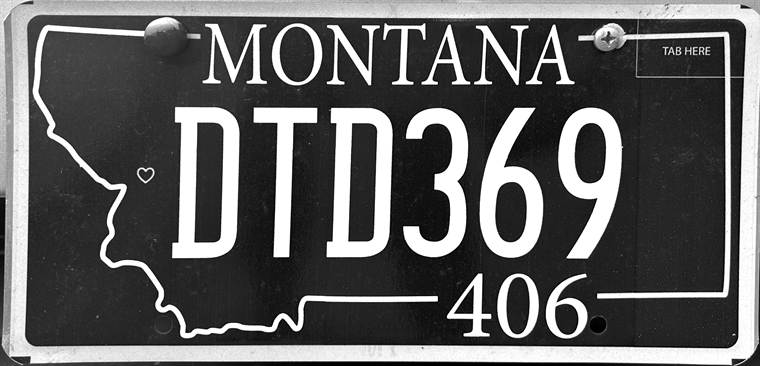
Montana sets two limits, and the design decides which one applies. A standard plate allows up to seven characters, and a sponsored plate allows up to five. The gap comes from the artwork on the sponsored face, which leaves less room for the combo. A space counts as a character on the state form. A driver who wants a two-word phrase has to fit the space inside the limit. A hyphen does not always count, so check the current rule before you build a long phrase. A short combo often reads better on the metal, since the font scales with the width. A seven-character phrase on a standard plate stays legible, and a five-character combo on a sponsored plate sits in a clean block at the center.
Combinations the State Blocks
The state screens each request against a list of blocked content. A profane word fails, and a phrase that copies a public agency fails. A combo that repeats an existing plate in the state fails too, since two vehicles cannot share the same tag. A symbol tied to a government office is out as well. A combo that reads as an official mark can confuse an officer, so the state keeps those patterns clear. A phrase that mimics an emergency service falls in the same group. The review runs on the state side before the county prints anything. A driver who files a blocked combo loses the fee for that request but can file a fresh combo with a new payment. A backup pick on the form saves a second trip.
Checking Availability Before You File
An availability check tells a driver whether a combo is free. The county treasurer can look up a phrase against the state record, and the state runs its own lookup on the plate pages. A combo that sits in another name comes back as taken. Check more than one option at a time. A short phrase and a longer variant both fit the form, and a driver who checks three picks can file a request that stands a better chance. Write the picks down before the visit. A popular first name or a familiar word can sit on the road for years, so a driver may wait a long stretch for it to free up. A fresh combo built around a nickname often clears in one step. The Montana plate lookup walkthrough shows how a search reads a tag that is already on the road.
The Application Form and the Backup Pick
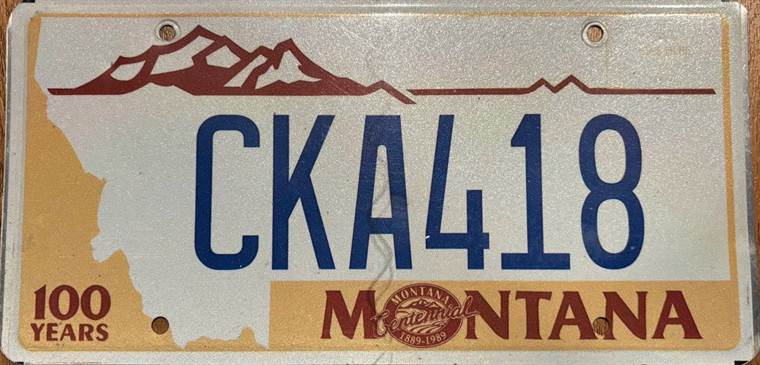
The state form asks for the vehicle, the plate design and the combo. A second line holds a backup pick, and the county falls back to it when the first fails. A driver who skips the backup line risks a second visit and a second fee. The form asks for proof that the vehicle is registered and that the fees are current too. The county matches the record on file, so an address change should land before the request goes in. A stale address can hold up the print. A driver can hand the form in at the county office or send it to the state. The county route keeps the paperwork local and lets the clerk answer a question on the spot. The clerk can check the combo against the latest state list in the same visit too.
What a Personalized Plate Costs
A personalized plate adds a set amount to the standard bill. Montana asks $25 at the start, then $10 at each transfer and each renewal. The charge sits on top of the base registration rather than replacing it. A driver who picks a sponsored design with a personal combo pays three lines: the base fee, the sponsor donation and the personal amount. The Montana registration fee breakdown lists each line so a driver can add the total before the visit. The personal charge stays the same no matter the length of the combo, so a seven-character phrase costs the same as a two-character one. A driver who drops the combo at renewal returns to the standard rate and keeps the serial in most cases.
Renewal, Transfer and Lost Plates
A personalized plate renews on the same yearly cycle as any other tag. The county mails a notice, and the personal amount rides along with the registration charge. Pay before the month on the notice runs out to skip a late penalty. A driver who sells the vehicle can move the plate to the next one at the county office. The transfer carries the $10 charge and updates the record to the new vehicle. The combo stays with the owner rather than the car in most cases. A lost or damaged personal plate is replaced at the county office for a small fee. The state reprints the combo, and the new set keeps the same characters. Report a stolen plate at once, since a tag on the road in the wrong hands can cause trouble.
Pairing a Combo With a Sponsored Design
A driver can marry a cause plate with a personal phrase. The combo runs to five characters on the sponsored face, and the yearly donation stacks on the base fee. Popular picks include wildlife, parks and school designs. The sponsoring group sets the donation, so the total shifts from one design to the next. A driver who later drops the sponsored design moves to a standard plate with a seven-character limit. The Montana license plate types page lists the families that take a combo and the ones that do not. A sample version of a sponsored plate is available to collectors through the state or the group. A sample does not register a vehicle, so it stays a shelf piece. The state marks it as a sample so an officer can tell it apart from a live tag.
Vanity Plate Ideas That Clear Review
A combo that reads as a friendly phrase clears the review fastest. A nickname, a short word or a set of initials all pass, and each one fits inside the character limit. A driver can build a combo from a hobby, a pet or a family name too. Keep the phrase plain. A combo that leans on a symbol, a hashtag or a punctuation mark can trip the form. A mix of letters and digits reads well on the metal and stays inside the state rules. Write three options down and file the best one with a backup. A driver who loves a sports team or a local landmark can shape a combo around it, as long as the phrase does not copy an official mark. A short form of a town name often clears. The county clerk can check a shortlist in one visit, so bring several picks.
Motorcycle and Trailer Personal Plates
A motorcycle takes a personal combo on a smaller face, and the state trims the limit to fit. The same $25 start and $10 renewal apply, and the combo rides on the short serial block. A rider who moves the plate to a new bike keeps the same characters. A trailer follows a similar path on a narrow plate. The county sets the class rate, and the personal charge stacks on top. A utility trailer and a travel trailer can carry different combos and still share the same household record. A motorcycle and a trailer each take one rear plate, so a combo sits on a single face rather than a pair. That detail matters for a driver who wants a matching set, since the state issues one tag for each of those classes.
What Happens If a Request Is Denied
A denied request does not end the process. The state returns the form with the reason, and the driver can file a fresh combo with a new fee. A backup pick on the first form often clears without a second visit. The usual cause is a duplicate. A combo already on the road blocks the new request, and the county cannot issue a second tag with the same characters. A another cause is a phrase that reads as profane to the review team. A driver can appeal a denial in writing to the state, though the list of blocked content stays tight. A fresh combo built from a different angle usually beats an appeal on time. The Montana license plate numbers page shows how the state tracks a serial against a record.
Personal Plates for Trucks and RVs
A pickup or a sport utility vehicle takes a personal combo on the standard face. The class rate runs above a compact car, and the personal charge stacks on the base. A driver who uses the truck for work can still carry a combo on the tag. A motor home or a camper may fall in its own class, and the state sets a rate for the group. The personal limit follows the design, so a sponsored face still caps the combo at five characters. A long phrase fits better on a standard face. A farm truck may take a farm class rate in some counties, and the personal charge applies on top. Ask the county treasurer which class fits the vehicle before you file the personal request. A wrong class on the form can hold up the print.
Keeping the Combo Through a Move
A move inside the state does not kill a personal combo. The plate follows the owner, and the county updates the record to the new address. The local option fee and the vehicle tax reset to the new county at the next renewal. A move out of the state ends the Montana registration, and the combo returns to the pool after the record closes. A driver who plans to return can ask the county about the options for holding the plate. The state keeps its own rules on a dormant registration. Update the address at the county office as soon as it changes. A notice that goes to an old address can push a renewal past the date, and a late fee follows. The county can send the reminder to a new address once the record carries it.
Sample Plates for Collectors
A collector can order a sample of a Montana design from the state, and a few sponsoring groups sell their own. A sample carries the design of a live plate without registering a vehicle, so it works as a shelf piece or a gift. The state marks each sample so an officer can tell it apart from a live tag on the road. The order form names the design and the quantity, and the state mails the samples once the fee clears. The Montana county code list covers the county side of a live plate for a collector who wants to match a sample to its region.
Frequently Asked Questions
These five questions come up most often at the county counter. Each answer stays short so the point lands fast.
How many characters can a Montana personalized plate have?
A standard design allows up to seven characters, and a sponsored design allows up to five. The design you pick sets the limit before the combo matters.
How much does a personalized Montana plate cost?
Montana asks $25 at the start, then $10 at each transfer and each renewal. The charge sits on top of the standard registration and any sponsored donation.
Can I pick any combination I want?
No. The state blocks profanity, combos that repeat an existing plate and phrases tied to public agencies. A screened request that fails can be refiled with a new pick.
How long does a personalized plate take to arrive?
A personal design prints to order, so it takes longer than a standard tag. The county can issue a temporary permit so you can drive until the plate lands.
Can I move my personalized plate to a new car?
Yes. Register the new vehicle through the county treasurer and ask to move the plate. A $10 transfer charge applies, and the combo stays with the owner.