
Montana truck license plates split into two fee worlds by weight. A pickup or truck rated one ton or less pays $217 a year at four years or newer, $87 at five through ten years and $28 at eleven years or older. A truck over one ton pays a flat $22.75 a year, which lands far below the light-truck line. The plate then carries the county code for the county where the truck is kept.
Montana truck registration follows the weight on the title, and the rating decides the fee, the plate and the route. This page sets out both weight lines, the extra charge that rides on a permanently registered truck, the farm rules, the apportioned route for interstate hauling and the steps at the county counter.
How to Register a Truck in Montana
A truck registration starts at the county treasurer’s office for the county where the truck is kept. The other classes are covered in one place on the Montana License Plate site. Bring the title or the manufacturer’s statement of origin, a photo ID, proof of insurance and proof of the Montana address. The clerk reads the manufacturer’s rated capacity from the title, sets the weight class, and collects the fee. The county then issues the plate with its own county code.
- Title — the signed title or the origin statement.
- Rating — the manufacturer’s rated capacity sets the class.
- Office — the county treasurer where the truck is kept.
- Plate — the county issues the tag with its own code.
https://mvdmt.gov/license-plate-information/A truck rated above one ton follows a different path than a pickup, and the county reads the rating from the title rather than a guess from the body style. A heavy pickup with a high rating can sit in the heavy line. A driver who is unsure should ask the county to read the title before the fee is set.
Light Trucks: One Ton or Less
A pickup or truck rated one ton or less follows the light vehicle table. The annual fee runs $217 at four years or newer, $87 at five through ten years and $28 at eleven years or older. The rate falls as the truck ages, so a long-held work truck reaches the cheapest line at year eleven. The light truck line carries the fixed charges that ride on every registration. A new plate set adds $12, the parks fee adds $9, and the state charge adds $10. The county option tax and the personal property tax arrive on top, and both follow the county and the value of the truck. A light truck eleven years or older may take the permanent route, and the owner pays once rather than each year. The permanent line runs $87.50 for the light class, and the owner keeps the tag with a PERM tab. The Montana permanent license plates page sets out the one-time route and its figures.
Heavy Trucks: Over One Ton
A heavy truck, a bus or a logging truck over one ton pays a flat annual fee of $22.75. The figure does not change with age, so a new heavy truck and an old one pay the same base rate. The line applies to a truck that hauls its own load rather than a light pickup. The heavy line still carries the fixed charges, and the county option tax and the personal property tax land on top. A heavy truck that crosses state lines for work may fall under an apportioned route instead, which reports the miles across the states it runs. A heavy truck that stays inside Montana registers at the county office under the flat rate. A driver who runs the same truck across state lines should ask about the apportioned route before the first filing, since the two routes report mileage in different ways.
| Truck class | Base fee | Term |
|---|---|---|
| Light truck, 4 years or newer | $217 | Yearly |
| Light truck, 5 through 10 years | $87 | Yearly |
| Light truck, 11 years or older | $28 | Yearly |
| Light truck, permanent route | $87.50 | One time |
| Heavy truck, bus or logging truck over 1 ton | $22.75 | Yearly |
| New plate set | $12 | Per set |
The Extra Line on a Permanent Truck
A truck rated one ton or less that takes the permanent route pays a second line. Section 61-3-562 adds five times the applicable fees under Section 61-10-201 alongside the $87.50. That line sits apart from the base fee and pushes the total above a plain passenger car. A heavy truck is not part of the light permanent route, since the permanent section covers a light vehicle. A heavy truck stays on the annual line at $22.75, and the owner renews each year. A driver who wants a one-time route should confirm the class before the filing. A truck that carries a personal combo on a permanent plate adds five times the personal renewal fee at the filing. The county quotes the figure for the specific truck, and the total settles the personal line across the same span as the county option tax. The Montana registration fee breakdown lists the lines a truck owner meets.
Farm Trucks
A truck used for farm work can take a farm rate in some counties, and the rate can land below the standard line. The owner files the farm papers with the county, and the office sets the class. A truck that doubles for a business should stay on the standard or commercial line rather than the farm line. A farm truck that hauls produce or livestock carries its own rules on the load and the season. The county confirms the primary use before the plate issues, and the driver may need to show proof of the farm operation. A farm plate carries the same county code as a standard tag. A farm truck eleven years or older can take the permanent route, and the owner pays once. A driver who runs several farm trucks can line them up at one visit and pay each fee once. The county treasurer lists the current routes for the class.
Commercial and Apportioned Trucks
A truck that hauls for hire pays the standard line for its weight, and a truck that crosses state lines reports miles under the apportioned route. The apportioned route splits the fee across the states the truck runs, and the owner files one report rather than several. The plate on an apportioned truck carries the states it reports. A company that runs a fleet can hold every title through a Montana limited liability company, and the county issues a plate for each truck. The Montana LLC vehicle registration page covers the company route and its fees. A fleet that shares a company record keeps the filings in one place. A truck that leaves the fleet and changes hands takes the transfer path, and the seller removes the plate under Section 61-3-334. The buyer titles and registers the truck and takes a plate with the buyer’s county code. The Montana license plate transfer page covers both sides of that paperwork.
Tonnage, Weight and the Title
The manufacturer’s rated capacity on the title sets the class, and the rated capacity works apart from the curb weight. A pickup rated one ton or less sits in the light line even when the truck runs heavy with a load. A truck rated above one ton sits in the heavy line at the flat rate. A driver who changes the rating on a truck, such as an upfit that raises the capacity, should update the record at the county office. A rating that no longer matches the vehicle can put the fee on the wrong line. The county treasurer reads the title and the upfit papers before it resets the class. A driver who wants a firm figure should ask the county to quote the lines for the specific truck. The class and the age set the state side, and the county sets the local lines. A heavy truck and a light truck of the same age can pay far different totals. A truck that changes hands keeps the class on the title, so a buyer who plans to use the truck for a new purpose should tell the county. A light pickup that becomes a farm truck may take a farm line in some counties. A heavy truck that joins a fleet may move to an apportioned route if it crosses state lines.
Trailers Behind a Truck
A trailer that runs behind a work truck carries its own plate and its own fee. A trailer declared under 6,000 pounds pays $61.25 once, and one at 6,000 pounds or more pays $148.25 once. The trailer record sits apart from the truck, so a driver who swaps the truck keeps the trailer and its plate. A travel trailer pays a one-time fee by length rather than weight, and a unit under 16 feet runs $72. A driver who hauls a camper behind a heavy truck registers the camper on the travel trailer line. The Montana trailer registration page sets out both tables. A truck that pulls a loaded trailer should check the combined weight against the truck’s rating, and the trailer’s brakes and lights against the rules for the weight. A plate that reads clearly is only part of a safe tow. The county confirms the trailer class when the record opens.
Insurance and the Work Truck
A work truck needs a policy that matches the use. A personal policy that names a truck used for a business can leave the owner uncovered, and a gap can block the registration. The insurer writes the policy for the way the truck is driven, from a light pickup to a hauling rig. Montana checks coverage through the registration record, and a lapse can hold a renewal. The county asks for proof of coverage when the title and registration close, and the state verifies the policy against the plate. A driver who drops coverage can see the record pulled until the policy is current. A company that runs a fleet can cover the trucks under one commercial policy, and the company holds the titles through its own record. A driver who adds a new truck to the fleet should give the agent the vehicle identification number and tell the insurer the use. The county notes the policy when the record opens.
Plates and the County Code on a Truck
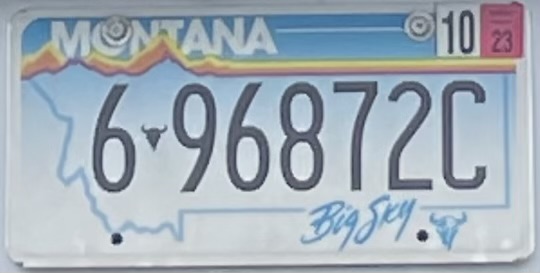
A truck plate carries the county code for the county where the truck is kept, and the code names the office that holds the record. A truck that opens with 6 points to Gallatin County, and one that opens with 3 points to Yellowstone County. The code stays with the plate through a transfer between the same owner’s vehicles. A driver who moves inside the state keeps the truck plate through the current term, and the new county picks up the local lines at the next renewal. The code on the plate does not change, since it rides with the serial rather than the address. The Montana county code list names each office and its number. A driver who reads a truck plate can pair the code with a search to confirm the record. The county code narrows the office, and the serial finishes the match. A mismatch between the plate and the paperwork is worth a question before a sale.
Buying a Used Truck
A used-truck buyer should match the title to the vehicle identification number on the frame and read the rated capacity from the title. The rating sets the fee line, so a buyer should know which line the truck sits on before the deal closes. A truck rated above one ton pays the flat rate rather than the light table. A seller signs the title over and removes the plate at the sale under Section 61-3-334. The buyer titles and registers the truck in the buyer’s name and takes a plate with the buyer’s county code. A title with an open lien needs the lender’s release before the record opens. A driver who is unsure about a truck’s use should ask the county before the purchase. A farm truck and a commercial truck sit on different lines in some counties, and the class can change the total. The Montana license plate types page lists the classes and the plate each one carries.
Frequently Asked Questions
These five questions come up most often around a Montana truck plate. Each answer stays short so the point lands fast.
How much does it cost to register a truck in Montana?
A truck rated one ton or less pays $217, $87 or $28 a year by age, plus a $9 parks fee and a $10 state charge. A truck over one ton pays a flat $22.75 a year.
What counts as a light truck in Montana?
A truck with a manufacturer’s rated capacity of one ton or less. The county reads the rating from the title. A truck above one ton falls in the heavy line at the flat rate.
Can a truck take a permanent plate?
A truck rated one ton or less that is eleven years or older can take the permanent route at $87.50 once, plus five times the fees under Section 61-10-201. A heavy truck stays on the annual line.
Do farm trucks pay less in Montana?
Some counties set a farm rate below the standard line. The owner files the farm papers and the county confirms the primary use. A truck that doubles for a business stays on the standard or commercial line.
What is the apportioned route for a truck?
A truck that crosses state lines for work can report its miles under the apportioned route, which splits the fee across the states it runs. The owner files one report rather than one per state.