
Montana LLC vehicle registration lets a company hold the title and the plate for a car, truck or motor home, and the company can form from any state through a registered agent. The vehicle then registers in Montana at the light vehicle rate, which runs $217 a year at four years or newer, $87 at five through ten years and $28 at eleven years or older.
Montana LLC registration draws owners for a few reasons, from the lower registration fee to the option of a permanent plate on an older vehicle. This page sets out how the company route works, what it costs, what the law asks of the owner, and the steps to title a vehicle through a Montana company.
How Montana LLC Registration Works
A Montana company can title and register a vehicle just like a person. The owner forms a limited liability company, names a registered agent in Montana, and the company files the title and the registration at the county treasurer’s office. The plate then carries the county code for the county where the company files. The company does not need a physical office in the state, since a registered agent stands in for service of process. The agent keeps an address in Montana and accepts legal papers for the company. A driver who wants the LLC route starts with the company, then moves to the vehicle. The vehicle title lists the company as the owner, and the company holds the record the way a person would. A member of the company drives the vehicle, and the insurance names the company and the driver. The Montana registration fee breakdown lists the vehicle lines the company pays.
- Company — form a Montana LLC and name a registered agent.
- Title — the company titles the vehicle at the county office.
- Register — the company registers the vehicle and pays the class fee.
- Plate — the county issues the plate with its county code.
https://mvdmt.gov/license-plate-information/Why Owners Use the LLC Route
A few reasons drive owners to the LLC route. The registration fee is low, a long-held vehicle can take a permanent plate, and a company can hold several vehicles under one record. A collector with a handful of cars can run them through a single Montana company. A motor home owner can register the coach through the company and pay the motor home rate. A collector car can take an antique or permanent plate through the company. A truck used for a business can sit under the company that runs the business. The route is not a tax dodge, and the state expects the owner to follow the insurance and road rules that apply to any vehicle. A driver who forms the company should keep clean records and a current policy. The company route is a structure, not a way to skip the law.
What a Montana LLC Costs
A Montana limited liability company carries a state filing fee and a yearly report fee. The figures sit with the secretary of state, and a registered agent charges its own yearly fee. The totals run to a few hundred dollars a year before the vehicle lines. The vehicle then pays its class fee. A light vehicle under one ton pays $217, $87 or $28 by age, plus the $9 parks fee, the $10 state charge and the county lines. A motor home pays its age table, and a motorcycle pays its one-time figure. A vehicle eleven years or older may take a permanent registration, which ends the yearly cycle with a one-time fee. That option appeals to a company that holds a collector or a farm vehicle long term. The county treasurer confirms the figure for the specific vehicle.
Titling a Vehicle Through the Company
The company titles a vehicle the same way a person does, with the company named on the title. A member signs for the company, and the county office records the title in the company’s name. A vehicle bought from a dealer or a private seller moves through the same title path. A title with a lien still needs the lender’s release before the company closes the record. A company that finances a vehicle keeps the lien on the title until the loan clears. The county treasurer confirms the title is clean before the company files. A company can title several vehicles at once, and each one takes its own plate and its own class line. The county issues a plate for each vehicle, and the company keeps a record of the fleet. A single filing session can register a small collection in one visit.
Insurance and the Company Vehicle
A company vehicle needs a policy that names the company and the driver. A personal policy that names only the owner can leave the company vehicle uncovered, and a gap can block the registration. The insurer writes the policy for the company structure. A driver who uses a company vehicle for business should tell the insurer, since a business use can change the rate. A company that holds a few vehicles can cover them under one commercial policy. Keep the coverage current, since the state checks it against the record. A lapse in coverage can pull the registration, and the county can block the renewal until the policy is current. A company owner should renew the policy before the registration date so the two lines move together. The Montana license plate renewal page covers the yearly cycle.
The County Code on a Company Plate
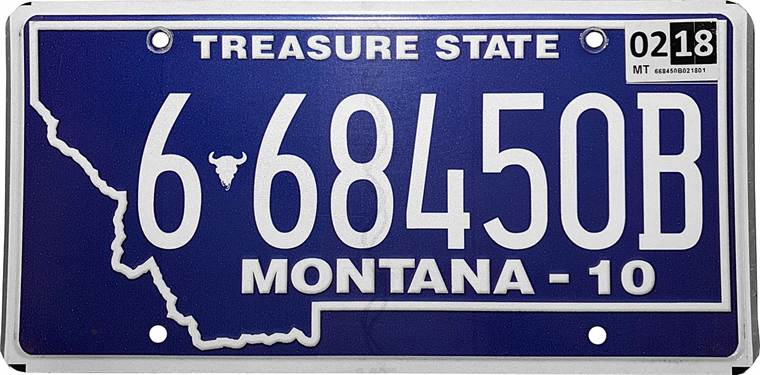
The plate on a company vehicle carries the county code for the county where the company files the registration. A company that files in Gallatin County holds a plate that opens with 6, and one that files in Yellowstone County holds a plate that opens with 3. The code names the office, not the driver’s home. A company can file in any county through its agent, and the choice sets the county lines on the bill. The county option tax and the personal property tax follow the filing county. The Montana county code list names each office, and the Montana license plate numbers page shows how the code reads. A company that moves its filing to another county keeps the plate through the current term, and the new county sets the lines at the next renewal. The code on the plate does not change, since it rides with the serial. The county updates the record without a new plate.
Out-of-State Owners and the LLC
A non-resident can form a Montana company and title a vehicle through it, since the registered agent stands in for the company’s address. The vehicle registers in Montana and carries a Montana plate, and the driver keeps an out-of-state home. That structure appeals to a collector, an RV owner and a buyer of a high-value vehicle. The company still follows the road rules where the vehicle drives. A vehicle that spends most of the year in another state may face that state’s registration rules, and a few states challenge a vehicle that rarely returns to Montana. An owner should understand the home-state rules before relying on the LLC plate. The company route is a legal structure, not a way to avoid a home state’s registration. An owner who drives the vehicle in the home state should confirm that state accepts a Montana company plate for daily use. A lawyer or a tax adviser can settle the question before the first filing.
Forming the Company Step by Step
Forming the company runs a short sequence. The owner files articles of organization with the Montana secretary of state, names a registered agent with a Montana address, and pays the filing fee. The state returns a certificate that names the company. The owner then applies for a federal employer identification number, which the company uses to title and finance the vehicle. A single-member company may use a social security number in some cases, and the state points to the current rule. The agent files the yearly report to keep the company active. The company files the vehicle title and registration at the county treasurer’s office, and the plate carries the filing county’s code. The county list names each office, and the numbers page shows how the code reads on the tag.
Selling a Vehicle Held by an LLC
A company sells a vehicle the way a person does, with the company signing the title. A member or a manager signs on the company’s behalf, and the buyer titles the vehicle in the buyer’s name. The plate stays with the company in most cases, and the company can move it to another vehicle. A title with a lien needs the lender’s release before the sale closes. A company that financed the vehicle keeps the lien until the loan clears, and the buyer holds the signed title and the release. The county treasurer confirms the title is clean before the money changes hands. A company that sells its last vehicle can keep the company open or dissolve it. A company that stays open pays the yearly report fee and the agent fee, and a company that dissolves files the closing papers with the state. Either path ends the vehicle record cleanly.
Keeping the Company in Good Standing
A Montana company stays active by filing its yearly report and paying the agent’s fee. A company that misses the report can fall out of good standing, and the state can restrict its filings. The agent tracks the deadline and files the report on time. A company that stays current keeps its vehicle titles clean, and a lapse can complicate a future sale or a title transfer. The owner should set a reminder for the report each year, and the agent sends one as well. The yearly cost is small next to a title problem. A company should keep the vehicle insurance current and the address on file too. A policy that lapses can block a renewal, and an address that goes stale can miss a notice. The county treasurer updates the record, and the agent handles the company address.
The Company and the Home-State Rules
A vehicle held by a Montana company still answers to the rules where it drives. A driver who keeps the vehicle in the home state should confirm that the home state accepts a Montana company plate for daily use, since a few states ask for a local registration when the vehicle rarely leaves. The answer varies by state and by how the vehicle is used. A vehicle that travels for work across state lines may fall under an apportioned route for a truck, and a motor home that stays parked in one state most of the year can draw that state’s question. A clean record and a current policy help in every case, and a driver should keep both. A tax question can follow the structure, and a driver who uses the LLC for a tax benefit should run the plan past an adviser. The company route is legal, and a wrong assumption about the home state can cost more than the registration saved. Settle the question before the first filing.
The Plate and the Company Fleet
A company that holds several vehicles keeps a plate for each one, and the plates can share the same filing county. A collector with a handful of cars can run them through one company and one county office, and the record stays in one place. The county issues a plate for each vehicle at its class rate. A company can mix classes in the fleet, from a light car to a motor home to a motorcycle. Each one takes its own plate and its own fee line, and the company pays them together. A single filing session can register a small collection in one visit. A company that sells one vehicle keeps the plate and can move it to a new one through a transfer. The plate stays with the company, and the record updates to the new vehicle. The renewal page covers the yearly cycle for each plate in the fleet.
Choosing the County for the Filing
The company picks a county for the registration, and the choice sets the county option tax and the personal property tax on the bill. A company can file through its agent in any county, and the plate carries that county’s code. The county does not need to match a home address, since the company has none in the state. The county lines can differ across the state, so a company owner can compare a few offices before the first filing. A rural county and a city county can run different figures for the same vehicle. The county treasurer can quote the local side in a phone call. The plate stays on the chosen county through the current term, and a company that moves its filing to another county updates the record at the next renewal. The code on the plate does not change, since it rides with the serial. The county updates the record without a new plate.
Frequently Asked Questions
These five questions come up most often around a Montana LLC vehicle. Each answer stays short so the point lands fast.
Can a Montana LLC register a vehicle?
Yes. The company titles and registers the vehicle the same way a person does, with the company named on the title and the plate carrying the filing county’s code.
Do I need to live in Montana to use the LLC route?
No. A registered agent stands in for the company’s address, so a member can form the company from any state. The vehicle still registers in Montana at the state’s rates.
How much does it cost to register a car through an LLC?
The vehicle pays the same class fee as any owner: $217, $87 or $28 by age for a light vehicle, plus the fixed and county lines. The company itself adds its filing and agent fees on top.
Can a company vehicle take a permanent plate?
Yes, once the vehicle reaches eleven years or older. The permanent route ends the yearly cycle with a one-time fee, and the county issues a PERM tab.
Does the LLC route skip insurance?
No. A company vehicle still needs a policy that names the company and the driver. A lapse can block the registration, so keep the coverage current.