
Montana license plate images tell the story of a state that has kept more designs in circulation than most. The gallery below collects the standard plates from 1968 to the present, the specialty designs that fund a cause, and the collector pieces that show up at swap meets. Each photo pairs with a note that names the design and the years it ran.
Montana license plate pictures make a useful reference for a buyer, a collector or a new resident. Read a design to place a plate in time, match a specialty face to its cause, and see how the county code stays in the same spot across the decades. Browse the grid below, then use the notes to name any tag you meet on the road.
How to Browse This Gallery
Each plate in the grid carries a caption that names the design and its years. The standard plates sit first, then the specialty faces, then the collector pieces. Read the caption under a plate to see what the design supports and when the state issued it. The written pages that go with each face sit on the Montana License Plate site. A plate can look different from its pair on the road, since the same design ran across several years with a change of font or a new decal. A caption that names a range covers those shifts. A driver who wants the full history can move from the gallery to the design pages linked below.
- Standard plates — the 1968, 1975, 1992, 2004 and 2010 faces.
- Specialty faces — the 406, C.O.P.S., Glacier and golf designs.
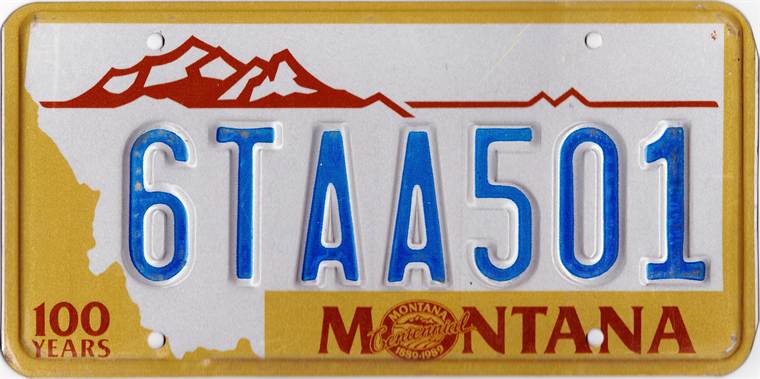
- Collector pieces — the 1987 Centennial and the ABC123 replica.
- County codes — read the left edge to name the office.
https://mvdmt.gov/license-plate-information/The Plate Collection
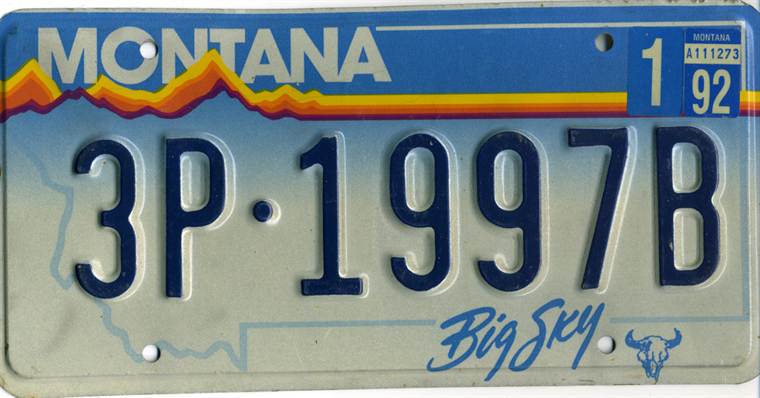
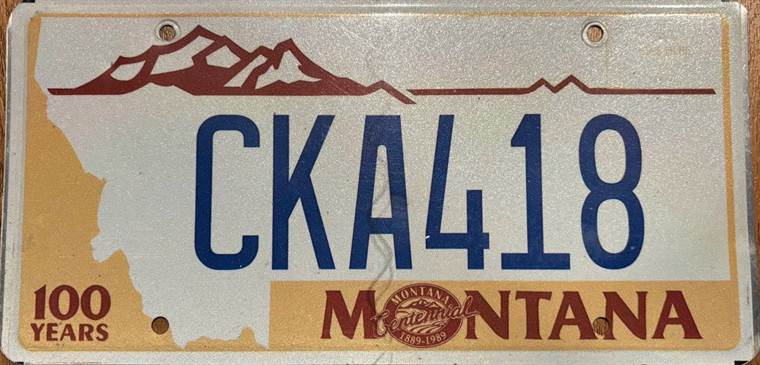
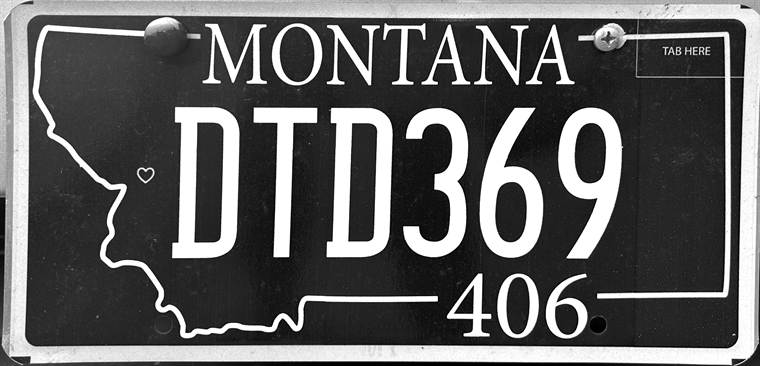
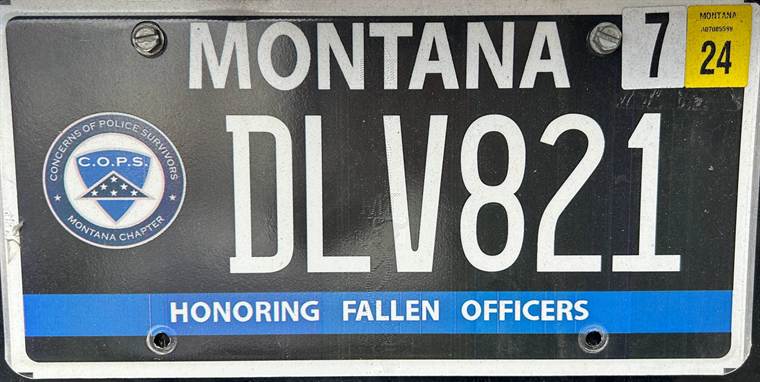
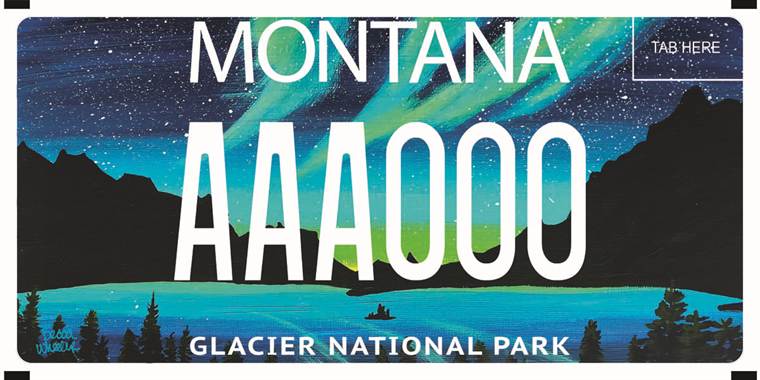
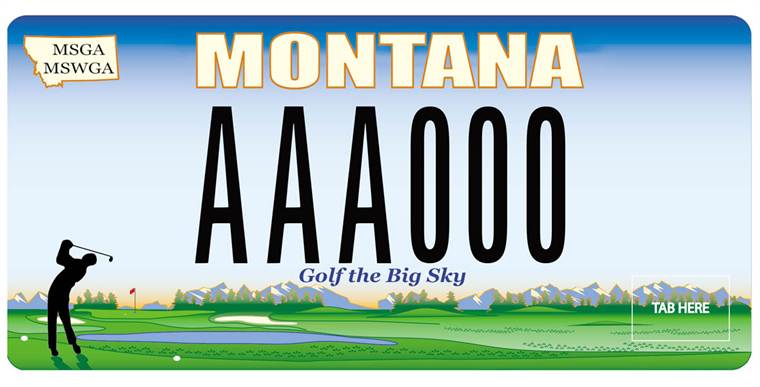
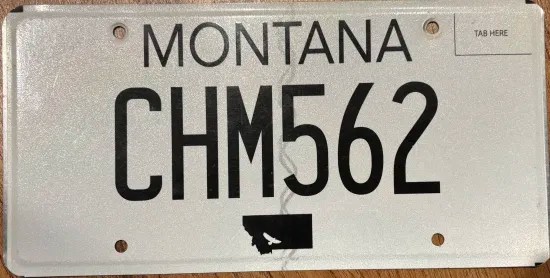
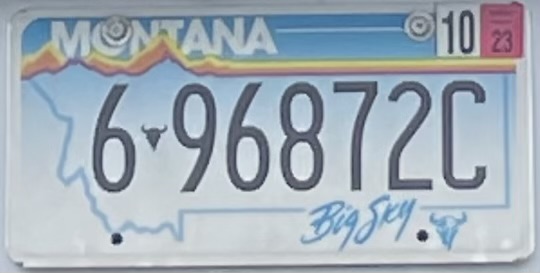
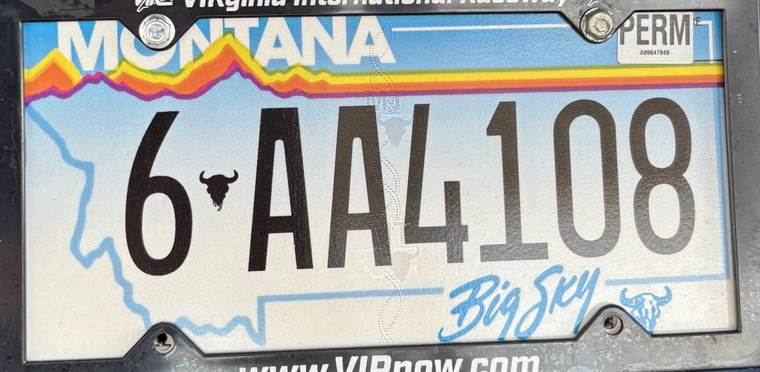
The Standard Design Through the Years
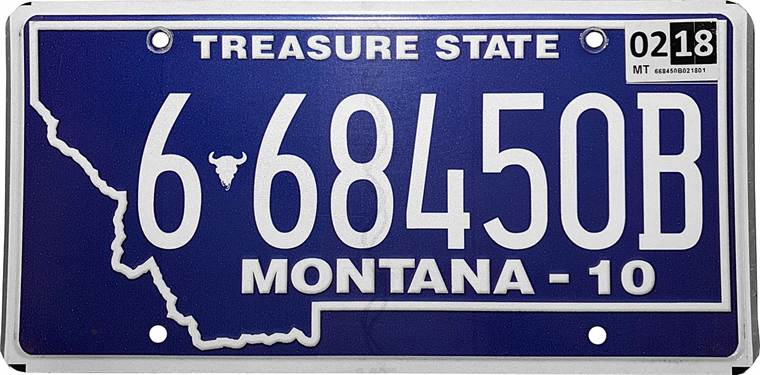
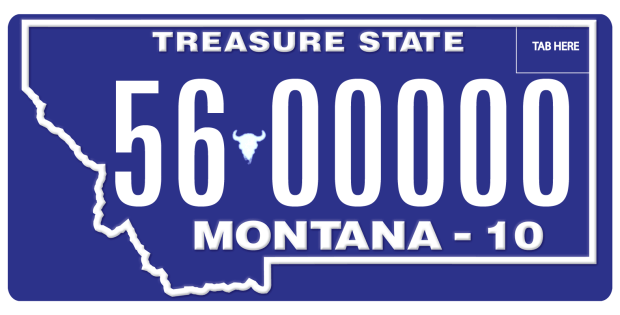
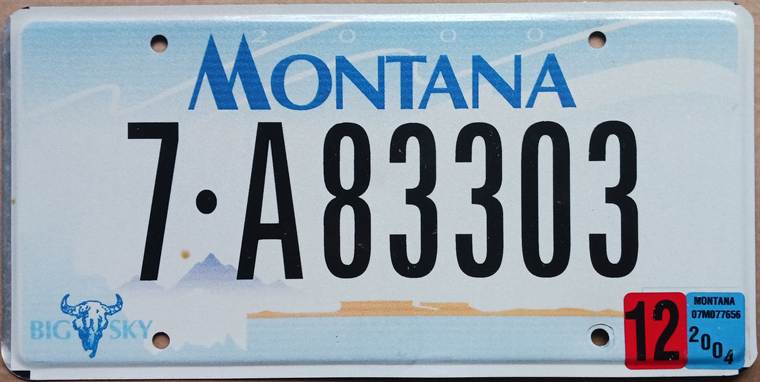
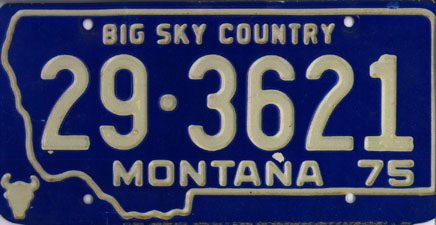
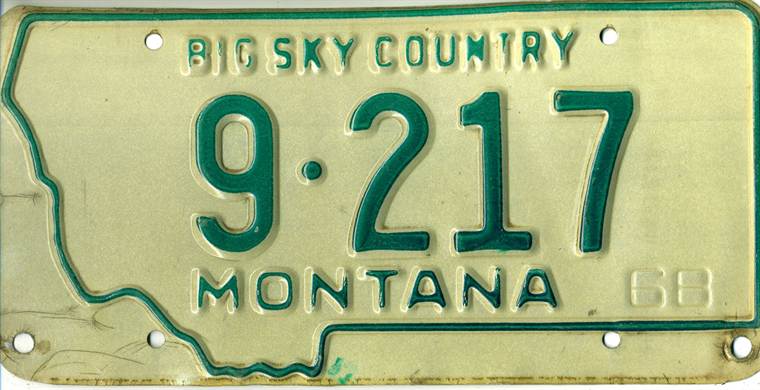
The standard plate changed often in the middle of the last century and less often since. The 1968 run and the 1975 run each carried a reflective face and a buffalo skull, and the 1991 and 2004 designs added color and the mountain theme. The 2010 design returned to a plain blue field with the Treasure State slogan. A collector can line up the standard plates in order and read the shift. The county code stays at the left edge through every change, so the layout is more stable than the artwork. The state reissues the standard metal on its own cycle, and the serial carries through each redesign. The Montana license plate types page groups every design by family, and the Montana license plate numbers page shows how the county code reads on each face in the gallery.
Specialty and Cause Designs
The specialty faces raise money for a cause, and each design carries a yearly donation on top of the standard fee. A driver can spot a cause plate by its artwork, since the design names the group it supports. A wildlife face, a park face and a school face each tell their story in the artwork. A sponsored design comes as a pair for a passenger vehicle, and the pair matches the artwork on both faces. A personal combo runs up to five characters on a sponsored face, and the donation renews each year. The Montana registration fee breakdown lists the donation lines that ride with each design. A driver who wants a cause plate files the request with the county treasurer. The office prints the design once the fees clear, and a temporary permit covers the wait. A collector can order a sample of most sponsored designs through the state or the group.
Old Plates in the Collection
An old plate in a collection reads the same way as a new one. The county code sits at the left edge, and the serial follows. A 1968 plate that opens with 9 points to Powder River County, and a 1975 plate that opens with 29 points to Rosebud County. The design names the decade. A collector who buys an old plate can decode the county with one table and place the year with the design. A plate that turns up at a swap meet may carry a tab from its final year, which dates the metal even closer. The county code never changes, so the read stays stable. The Montana county code list pairs every code with a county seat, and the lookup walkthrough covers how a search reads the same tag with the exact vehicle data on top.
Reading a Design Without a Tool
A driver can name most plates without a database. The artwork gives the decade, the county code gives the region, and the caption in the gallery gives the name. That three-part read covers the everyday plates a driver meets on a Montana road. A plate with an ABC123 serial belongs to the optional or replica family and carries no county code. A plate with a digit at the left edge belongs to the standard or specialty family. That single check separates the two groups before the artwork matters. A specialty face names its cause in the artwork, and a glance settles it. A plate with a mountain range supports the parks, a plate with a logo supports the group, and a plain blue face with a buffalo skull is the standard run. Practice on a few plates and the read turns automatic.
How the County Code Sits on Every Design
The county code sits at the left edge of every standard and specialty plate, and the artwork never pushes it out of place. A collector can line up a 1968 plate, a 2004 plate and the current face, and the code reads from the same position on each one. That stability is the first thing a plate reader should notice. The optional and replica families drop the code in favor of an ABC123 serial. A plate that opens with a letter rather than a digit belongs to that group, and no county digit applies. The gallery shows both kinds side by side, so the difference is easy to spot. A driver who reads a plate left to right meets the county first, then the serial, then the tabs. The design and the decade come from the artwork, and the region comes from the code. The numbers page walks through that read on a single tag.
Where Montana Plates Are Made
Montana has produced plates under state control for decades. Earlier runs came from a prison shop that stamped the metal, and the current work follows a state contract with tight control over the design and the serial. The state reissues the standard metal on its own cycle so the reflective sheeting stays readable at night. The metal uses aluminum, which resists rust and holds a reflective coat well. A damaged or faded plate is replaced at the county office, and the new set carries the same serial in most cases. A plate that turns up at a swap meet may carry a stamp from its own run, which helps a collector date it further. A collector who wants a current plate can order a sample through the state rather than wait for a retired plate to surface. The sample carries the design without registering a vehicle, and the state marks it so an officer can tell it apart from a live tag.
Starting a Plate Collection
A Montana plate collection starts with the designs a collector sees every day. The current standard, a specialty face and an older standard from the 1990s or the 2000s make a solid first shelf. Each piece costs little at a swap meet or a sample order. Store a plate flat and dry, since a damp box can spot the metal. A sleeve or a frame keeps the face clean, and a label with the design name and the years helps later. A collector who tracks the county code on each plate can build a run across the 56 counties over time. A collector should avoid a plate that carries a current serial on the road, since a live plate belongs to a registered vehicle. A sample or a retired plate avoids that problem. The state sells samples of current designs, and a retired plate from a swap meet is safe to hold.
Designs That Left the Road
A few designs have left the road over the years. The Centennial plate ran for the 1987 anniversary and retired after, and the replica now carries the same look in an ABC123 format. A retired design can still turn up on a collector’s shelf or a vintage vehicle. A discontinued design stays valid on a vehicle that held it through the end of its run, and the owner renews it as a normal plate in most cases. A driver who spots an old design on the road is seeing a long-held plate rather than a current issue. The state lists the families that still issue today on its own page. A collector who wants a specific retired design can watch a swap meet or an online listing. The county code and the tab date the piece, and the design names the decade. A plate from a short run often carries a story that a current plate does not.
Matching a Plate to Its Vehicle Class
A design does not name the vehicle class on its own. A passenger car and a motorcycle can share the state name on a smaller or larger face, and the class shows in the size and the count of plates rather than the artwork. A driver reads the face size and the rear plate rule to place the class. A passenger plate runs 12 inches wide by 6 inches tall. A motorcycle plate runs smaller, and a trailer plate runs narrow. A snowmobile and a utility vehicle take a decal in some cases. The size and the placement settle the class faster than the design. A driver who matches a plate to its class can then read the county code and the serial without confusion. The class pages list the plate counts, and the numbers pages cover the serial format for each one.
Photographing a Plate for Your Records
A clear photo of a plate helps a buyer, a seller or a collector keep a record. Shoot the plate straight on in good light, and fill the frame with the face so the serial and the county code read clearly. A glare from a headlight can wash out a character, so angle the shot to cut the reflection. A photo for a buyer should show the front and the rear pair together when the vehicle carries two. The pair proves the serial matches, and the county code reads the same on both faces. Keep the date beside the photo so the record stays current. A collector who photographs a new piece can store the image with the design name and the years. A small album on a phone beats a paper note, and the caption in the gallery gives the words to file with each shot. A photo documents condition before a swap-meet sale too.
The Buffalo Skull Across the Designs
The buffalo skull appears on several Montana plates and acts as a separator between the county code and the serial. A driver who spots the skull knows the plate falls in the standard or specialty group, since the optional and replica families drop it. The skull has served that role across many of the designs in the gallery. The skull ties to the state’s nickname and its history. It first appeared on a Montana plate in the late 1930s, and the state kept the mark through the 2004 and the current designs. A collector can follow the skull from an old plate to a new one and watch the artwork change around it. A plate that lacks the skull is not necessarily older or newer. A few designs left the mark off, and the replica face drops it in favor of the ABC123 format. The county code and the serial matter more than the skull for a clean read, and the gallery shows both kinds side by side. A driver who wants to trace the skull through the years can move from the gallery to the design history. The state lists the cost that rides with each design, and the county office can confirm which faces issue today.
Frequently Asked Questions
These five questions come up most often around a Montana plate collection. Each answer stays short so the point lands fast.
How many Montana license plate designs are there?
Well over one hundred, counting the standard faces and the sponsored designs. The total moves each session as lawmakers approve new programs and retire older ones.
What is the current Montana standard plate?
The current standard face dates to 2010. It shows a white state outline on a blue field with TREASURE STATE across the top and a buffalo skull between the county code and the serial.
Why do some Montana plates have no county code?
Optional, personalized and Centennial replica plates use an ABC123 format with no county digit. A standard or specialty plate carries the county code at the left edge.
Can I collect Montana license plate samples?
Yes. The state sells sample plates of current designs, and a few sponsoring groups sell their own. A sample does not register a vehicle, and the state marks it as a sample.
How do I tell the year of an old Montana plate?
Read the design against the gallery, and check the tab from the final year if one remains. The county code stays the same across the decades, so the design and the tab date the metal.