
Montana motorcycle license plates carry a single rear plate rather than the pair a car uses. The state registers a two-wheel vehicle under its own class, and the one-time fee runs $53.25 for highway use plus a $16 safety fee. A rider who wants the plate on a specific face can personalize the combo on the same single tag.
Montana motorcycle registration follows a short path that most riders finish in one visit. This page covers the single rear plate, the registration fee, the safety fee, the endorsement that goes with a motorcycle licence, and the steps to put a plate on a new or used bike.
How to Register a Montana Motorcycle
A motorcycle registration starts with the title or the manufacturer’s statement of origin, a photo ID, proof of insurance and proof of the Montana address. The other vehicle classes take the same treatment on the Montana License Plate site. Bring the papers to the county treasurer for the county where the bike is kept, and the office records the vehicle identification number and the engine size. Pay the registration fee and the safety fee, then the county issues the single rear plate. A temporary permit covers the wait if the plate is not on hand.
- Papers — title or origin statement, photo ID, insurance, proof of address.
- Office — the county treasurer for the county where the bike is kept.
- Fee — $53.25 one time, plus a $16 safety fee.
- Plate — one rear plate, plus a temporary permit if needed.
https://mvdmt.gov/license-plate-information/The Single Rear Plate Rule
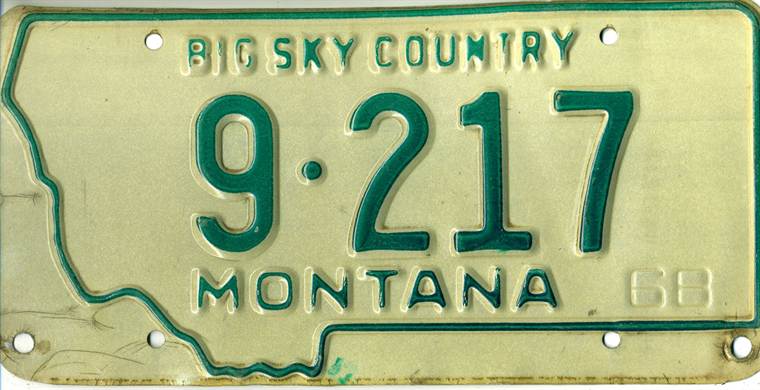
A motorcycle carries one plate at the rear, and the state does not issue a front plate for a two-wheel vehicle. The face runs smaller than a passenger plate, and the county code leads the serial on the older runs. A rider who adds a decorative front tag does so without a state plate on the front. The rear plate mounts on the fender or a bracket near the tail light, and the plate should sit square and clear of a swing bag or a luggage rack. A plate that hides behind a saddlebag can draw a question, so keep the face readable from behind. A lit plate bracket helps at night and keeps the tag visible in traffic.
Motorcycle Registration Fees
A motorcycle or a quadricycle pays a one-time registration fee of $53.25 for highway use, $53.25 for off-highway use, or $114.50 for both. A safety fee of $16 rides on top of the registration and funds the state motorcycle safety program. A rider who registers under the annual route pays $44 a year, or $88 for both uses, plus a $7 safety fee each year. A rider who holds a valid summer motorized recreation trail pass pays $33.25 for highway use, or $94.50 for both uses, in place of the one-time figure. The pass affixes to the machine and changes the one-time fee. Ask the county treasurer which route fits the bike and the way it is ridden. A motorcycle transfers like any vehicle. A new owner titles and registers the bike, and the one-time fee applies on the change of ownership. The Montana registration fee breakdown lists the motorcycle lines next to the other classes so a rider can add the total.
The Endorsement and the Plate
A motorcycle plate sits apart from the rider’s licence. The plate registers the vehicle, and a motorcycle endorsement on the licence lets the rider operate it on the road. A rider can hold the plate without the endorsement in some cases, but the law asks for the endorsement to ride. The endorsement comes from a written test and a road test, or from a safety course that the state accepts. A rider who completes a course often skips the road test. The endorsement prints on the licence, and it does not change the plate or the registration. A new rider should sort the endorsement and the plate at the same time, since both run through the same state offices. The Montana license plate types page lists the classes that take a single plate, and the county office can confirm the endorsement steps.
Personalized Motorcycle Plates
A rider can personalize a motorcycle plate with a combo on the smaller face. The standard personal charge applies, and the state fits the combo to the short serial block. A rider who moves the plate to a new bike keeps the combo, and the transfer carries the small charge. The character limit on a motorcycle face runs shorter than a passenger plate, so a long phrase may not fit. Check the current limit with the county before you file. The Montana license plate numbers page shows how the serial reads on the smaller face. A sponsored motorcycle plate exists for a few designs, and the donation rides on top of the registration. A rider who wants a cause face asks the county which designs fit the motorcycle class. A sample of a current design is available to a collector through the state.
Renewal and the Annual Route
A motorcycle under the one-time route does not renew each year, and the single fee covers the registration until a transfer. A rider under the annual route renews on the anniversary month and pays $44 or $88 plus the $7 safety fee. The county mails a notice ahead of the date. A plate that wears out or fades is replaced at the county office, and the replacement carries a $10 fee, or $15 to hold the same serial. A lost or stolen plate is reported and replaced the same way. Keep the rear plate clean and the bolts tight, since a missing plate draws a stop. A rider who parks the bike for a season can ask the county about the storage options before the plate lapses. A long lapse can push the owner to register from the start, which costs more than a clean renewal.
Buying a Used Motorcycle
A used-bike buyer should run the plate and the title together. Read the plate on the bike, then match the title to the vehicle identification number stamped on the frame. A mismatch between the plate, the title and the frame number is a reason to walk away. Check the county code on the plate against the Montana county code list to see which office holds the record. The seller should hand over the signed title, and the buyer registers the bike in the buyer’s county. The one-time registration fee applies on the transfer. A title with a lien needs the lender’s release before the transfer closes. A buyer who pays off the seller should hold the signed title and the release in hand. The county treasurer can confirm the title is clean before the money changes hands.
Off-Highway and Dual-Sport Bikes
A dirt bike and a dual-sport bike fall under the same registration class, and the route depends on where the bike runs. A bike ridden only off-highway pays $53.25 once, and a bike ridden on the road and the trail pays $114.50 for both uses. A safety fee of $16 rides on top. A dual-sport rider who wants the road and the trail in one plate asks the county for the both-use route. The plate then covers the machine on either surface, and a trail pass may apply on the trail side. A rider who keeps a separate dirt bike and a street bike registers each one on its own route. A snowmobile and a quadricycle follow their own classes and take their own plate or decal. A rider who owns several machines can line up the routes at one visit and pay each fee once. The county treasurer lists the current routes for each class.
The Safety Fee and What It Funds
The $16 safety fee collected with a one-time registration, and the $7 collected with an annual registration, fund the state motorcycle safety account. The money runs training courses and awareness programs that teach new riders the road rules and the controls. A rider who takes a state-accepted course often earns the endorsement without a road test, so the safety fee circles back to the rider. The course covers braking, cornering and defensive riding, and a new rider leaves it better prepared for traffic. The fee rides with every motorcycle registration and does not depend on the design. A rider who personalizes the plate still pays the safety fee on top. The fee sits apart from the base registration on the county bill.
Plate Placement and Visibility
A rear plate should sit square and clear of the rear tire, a swing bag and a luggage rack. A plate that hides behind gear can draw a stop, and a plate that catches road spray can dull the face. A lit bracket keeps the tag readable at night. A rider who adds a fender eliminator should keep the plate flat and the serial clear. A plate tilted too far up or down is hard to read from a patrol car. Keep the corners clear of bolts that cover a character, and check the plate after every trip for mud. A bent plate should be replaced rather than straightened, and a replacement carries a $10 fee, or $15 to hold the same serial. A rider who drops the bike and bends the plate can swap it at the county office the same week and keep the serial in most cases.
Motorcycle Plate Sizes and Formats
A motorcycle plate runs smaller than a passenger plate, and the size follows the state standard rather than the maker. The county code leads the serial on the older runs, and a newer optional plate may carry an ABC123 format with no county digit. The smaller face leaves less room for a long personal combo. The mounting holes on a motorcycle plate match the pattern shared across the country, so a standard bracket fits most bikes. A rider who builds a custom bracket should keep the plate flat and the holes square. A plate that rattles can crack at the corner, so snug the bolts without over-tightening. A rider can read the county from the plate the same way a driver reads a car plate, since the code sits at the left edge. The serial that follows ties to the bike’s record. A search on the plate returns the make, model and year just as it does for a car.
Riding a Borrowed or Rented Bike
A rider on a borrowed bike should confirm the plate and the registration before setting off. The plate ties to the registered owner, and the rider should hold proof of the owner’s permission. A rental shop supplies the registration paper with the bike. A rider who loans a bike to a friend keeps the plate with the bike, since the plate belongs to the vehicle rather than the operator. The friend still needs the endorsement on a licence to ride on the road. The owner should check that the friend holds the endorsement before handing over the keys. A rider who buys a bike and keeps the old plate during a short window should check the transfer rules with the county. A plate transfer ties the tag to the new vehicle through the county office, and the record updates at that point.
What the County Code Means on a Bike Plate
The county code on a motorcycle plate names the office that registered the bike, and it follows the same list as a car plate. A bike that opens with 6 points to Gallatin County, and one that opens with 3 points to Yellowstone County. The code stays with the bike through a transfer. A rider who moves inside the state keeps the plate through the current term, and the new county sets the local lines at the next renewal. The code on the plate does not change, since it rides with the serial rather than the address. The county treasurer updates the record without a new plate. A rider who reads a bike plate can pair the code with a search to confirm the vehicle. The county code narrows the record, and the serial finishes the match. A mismatch between the plate and the paperwork is worth a question before a sale.
Permanent Registration for Older Bikes
A motorcycle that reaches eleven years or older may take a permanent registration in place of the yearly or the one-time route. The owner pays once and keeps the plate, and the county issues a tab printed PERM. A long-held bike that sees light use is a good fit for the route. The permanent route still follows the rules on insurance and road use. A lapse in coverage can pull the record, and a bike that passes to a new owner restarts the standard cycle. A rider who plans to keep the same bike for years can save the repeated paperwork. Ask the county treasurer whether a specific bike qualifies before you file. The office confirms the age and the class, then sets the one-time figure. A permanent plate skips the renewal notices that fill a rider’s mailbox each year.
Frequently Asked Questions
These five questions come up most often around a Montana motorcycle plate. Each answer stays short so the point lands fast.
How many plates does a Montana motorcycle need?
One, mounted at the rear. The state does not issue a front plate for a motorcycle, and the face runs smaller than a passenger plate.
How much is a Montana motorcycle registration?
A motorcycle pays a one-time fee of $53.25 for highway use or $114.50 for highway and off-road use, plus a $16 safety fee. The annual route runs $44 or $88 a year plus a $7 safety fee.
Do I need an endorsement to ride in Montana?
Yes, for road use. The endorsement comes from a written test and a road test, or from a state-accepted safety course. The endorsement prints on the licence and sits apart from the plate.
Can I personalize a Montana motorcycle plate?
Yes. The personal charge applies on the smaller face, and the combo fits the short serial block. A rider who moves the plate to a new bike keeps the combo.
Do motorcycle plates renew every year?
Not under the one-time route. A rider under the annual route renews on the anniversary month. A permanently registered bike skips the yearly cycle in full.