
Montana license plate lookup turns a tag into vehicle data. The county code on the plate names the office that holds the record, and the serial ties the plate to a specific vehicle. A free search returns the make, model, year and open recall status, and it stops short of personal details.
Montana license plate search works best in two steps: read the plate, then match it to a record. This page covers what a lookup returns, what it cannot show, how owner privacy law shapes the result, and how to use a search before you buy a used vehicle. Follow the steps and the plate gives up its story without a wasted request.
How to Run a Montana Plate Lookup
A search starts with the plate itself. Read the county code at the left edge and the serial that follows, and write both down before you open a search tool. The code narrows the record to one of the 56 counties, which helps when two vehicles share a similar serial. Then choose a route. For the other pages, the Montana License Plate site links them on one screen. A free tool on the web returns the vehicle summary in seconds, and a state motor vehicle record covers the title and lien side. A paid report adds history, and a phone call to the county treasurer settles a question the tools leave open. Type the plate number into the tool and read the result line by line. Check the make, model and year against the vehicle in front of you, since a mismatch points to a cloned plate or a written error. Save the result before the session closes, since a free search rarely keeps a copy.
- Step 1 — read the county code and the serial from the plate.
- Step 2 — pick a route: free tool, state record or paid report.
- Step 3 — enter the plate and read the vehicle summary.
- Step 4 — match the result against the vehicle and save it.
https://mvdmt.gov/license-plate-information/What a Lookup Returns
A free lookup returns the vehicle identity first. That covers the make, the model, the model year and the trim, which is enough to confirm you read the right plate. A tool that cannot name the vehicle has found nothing useful. Safety data comes next. An open recall shows up on most tools, along with crash-test ratings from the national safety agency. A recall that never received a fix is worth noting before a purchase, since the repair runs through a dealer at no cost in most cases. Title signals can appear as well. A salvage, flood or rebuilt mark shows up where the state reports it, and the mark follows the vehicle rather than the owner. Mileage hints from service and inspection records can round out the picture, and the registration status shows whether the tag is current or expired.
What a Lookup Cannot Show
A lookup cannot hand over the owner name or the home address. Federal privacy law shields those details, and no public site releases them through a plate number alone. A service that promises an owner name from a tag is selling something the law does not allow in most cases. A lookup cannot decode the serial into a build sheet. The serial ties to the state record rather than to the factory data, so the plate does not spell out the engine, the options or the original sale price. A vehicle history report covers that ground instead. A lookup cannot settle ownership. The state record names the registered owner, and a plate search reads the vehicle rather than the title holder. For a lien check or a title transfer, order a motor vehicle record through the state or ask the county treasurer.
Free Tools and Paid Reports
A free tool covers the basics and costs nothing. It returns the vehicle identity, the recall status and the registration state, and it repeats the search as often as you like. The trade is depth, since a free tool keeps no history and skips the title chain. A paid report adds the title chain, the accident record, the odometer trail and the lien history. The price runs from a few dollars to a few tens of dollars per report. A buyer who plans to spend thousands on a used truck can treat the report as cheap insurance. A state motor vehicle record sits between the two. It carries the title and registration facts for a set fee, and it comes from the agency that holds the data. The county treasurer can point a driver to the current form and the current charge.
- Free tool — vehicle identity, recalls, registration status.
- State motor vehicle record — title and registration facts for a fee.
- Paid report — title chain, accidents, odometer, liens.
- County office — answers a question the tools leave open.
How Owner Privacy Shapes a Search
The federal driver privacy protection law limits what a state may release from a motor vehicle record. The law covers names, addresses and other personal details, and it applies to a plate search the same way it applies to a licence record. A public site that hands over an address from a tag breaks that rule. A few exceptions exist. A court order, a legal process or a permitted use under the law can open a record to a requester. An insurance company, a tow operator and a government agency can qualify in some cases. A private driver who simply wants to know who owns a car does not fall in that group in most cases. That limit shows why the free tools stop at the vehicle. They can describe the car without naming the person, and they stay inside the law that way. A driver who needs an owner detail for a legal reason should speak to the county treasurer or a lawyer rather than a lookup site.
Where the Records Come From
The county treasurer holds the local registration record. Each of the 56 counties keeps its own file, and the county code on the plate points to the office that started the record. That link lets a driver trace a plate back to a region of the state. The state holds the title file and the driver record. A motor vehicle record request goes through the state, and the county treasurer can hand over the form. A title check runs against the state file rather than the county one. Vehicle history services pull from national sources. The national motor vehicle title information system gathers title brands from the states, and the safety agency supplies the recall data. A paid report blends those sources into one document.
Using a Lookup Before You Buy
A used-car buyer can lean on a lookup from the first minute. Read the plate on the vehicle, run a free search, and confirm the make, model and year against the listing. A mismatch is a reason to walk away before the money changes hands. Then check the title brand and the recall status. A rebuilt or flood mark changes the value of the vehicle, and an open recall points to a free dealer fix. The Montana license plate numbers page shows how the county code reads on the tag you are checking. A buyer who wants the full picture orders a paid report and reads the odometer trail. A gap in the mileage record or a jump in the numbers points to a rollback. The Montana registration fee breakdown then shows what the owner pays each year, which helps set a fair price on the whole deal.
Reading a Plate Without a Tool
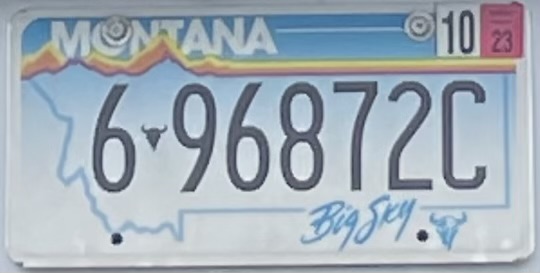
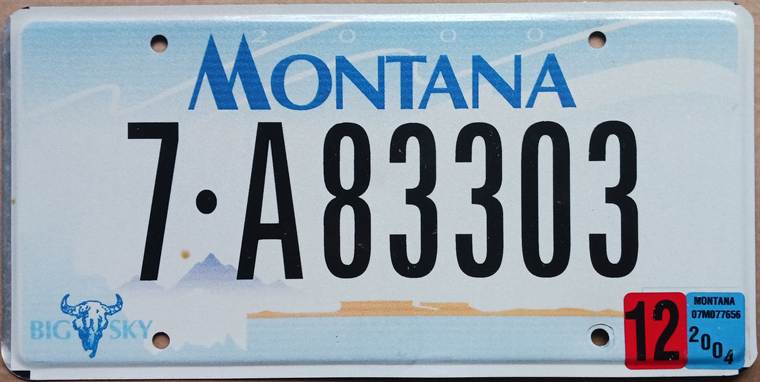
A driver can read a lot from the plate alone. The county code names the region, and the Montana county code list pairs each number with a county seat. A high code in the forties or fifties points to a rural county, and a low code points to the crowded belt. The design names the decade. A 2004 face, a 1991 face and the current 2010 face each carry their own artwork, so a driver can place a plate in time without a database. The serial format adds another clue, since an ABC123 pattern belongs to the optional family rather than the county group. That reading costs nothing and takes a few seconds. It pairs well with a tool when the exact vehicle matters, and it answers the familiar question of where a plate came from on its own. The Montana license plate types page shows each design family in one place.
Keeping a Search Legal and Useful
A plate search stays legal when it reads the vehicle rather than the person. A tool that returns the make, model and recall status breaks no rule. A request for an owner name or a home address needs a permitted reason under the privacy law. A driver should use a lookup for a real purpose: checking a used vehicle, verifying a plate on a rental or confirming a tag before a sale. A search that aims to track a person crosses the line the law draws. Keep the purpose on the vehicle and the search stays clean. Save the result for your own record, and keep the date beside it. A report from one month can go stale, since a title brand or a recall can change. Re-run the search close to the day of the purchase so the facts are current. A driver can request the record in person at the county office too. Bring the plate number and a photo ID, and the clerk can confirm the registration state on the spot. In-person service suits a buyer who needs an answer the same day, and it costs less than a paid report. A written request works for a title check that the county cannot settle. The state form names the vehicle and the reason for the request, and the fee sits with the form. A driver who mails the request should allow a week or two for the reply.
Lookup for Rentals, Towing and Shared Vehicles
A rental driver can use a lookup to confirm the tag on the car before the keys change hands. A mismatch between the plate and the rental paper is worth a call to the desk. The search takes a minute and settles the question on the spot. A tow operator or a parking manager uses a lookup to confirm the vehicle class and the registration state before a move or a citation. The plate names the county that holds the record, which points to the office that can answer a follow-up. That path saves a call to the wrong county. A family that shares several vehicles can keep a short list of plate numbers and run a search when a notice arrives. Matching the plate to the vehicle avoids a mix-up at renewal, and the county code shows which office sent the card. A shared record makes the yearly round of renewals easier to track.
Mistakes in a Plate Search
The first mistake is typing the wrong character. A plate mixes letters and digits, and an eight that reads as a B or a zero that reads as an O sends the search off course. Read the plate twice and type it once. The second mistake is trusting a stale result. A title brand or a recall can change inside a month, so a report from spring can mislead a buyer in autumn. Re-run the search close to the day that matters. The third mistake is expecting an owner name. A service that promises one from a tag alone is overselling what the law allows. Treat any site that guarantees an address as a sign of trouble, and keep the search on the vehicle. The fourth mistake is using a single source. A free tool, a state record and a paid report each carry a slice of the truth. A buyer who wants a firm answer checks two of the three before a purchase.
What a Recall Check Adds
A recall check is the most useful line in a free lookup. The national safety agency tracks every safety defect that a maker must fix, and the list ties to the make, model and year. A plate search pulls that list in one step. An open recall means the maker owes the owner a free repair at a dealer. A buyer who spots an open recall can ask the seller to complete the fix before the sale, or plan the visit after the deal closes. Either way the repair costs nothing beyond the trip. A recall that shows as closed means the dealer already handled the job. The record may lag a week or two behind the repair, so a fresh fix can still read as open. A call to a dealer with the vehicle identification number settles the status in a minute. The check pairs well with the crash-test rating, which the same agency publishes. A rating covers the model rather than the exact vehicle, and it gives a buyer a sense of how the car behaves in a crash. Together the two lines tell a buyer more than the plate number alone.
Frequently Asked Questions
These five questions come up most often around a Montana plate search. Each answer stays short so the point lands fast.
Can I look up a Montana license plate for free?
Yes. A free tool returns the vehicle identity, the open recall status and the registration state. It stops short of owner names and addresses, which the privacy law shields.
Does a Montana plate lookup show the owner?
No. Federal law limits the release of names and addresses from a motor vehicle record. A permitted reason, such as a legal process, is needed to open that part of the record.
What does a free Montana plate search return?
A free search returns the make, model, model year, trim, open recalls, crash-test ratings and the registration status. A paid report adds the title chain, accidents and the odometer trail.
How do I check a Montana title before buying?
Order a state motor vehicle record or a paid history report. Both carry the title brand, and the paid route adds the accident and odometer records. The county treasurer can point you to the current form.
Can I read a Montana plate without a tool?
Yes. The county code names the region and the design names the decade. A two-step read of the plate answers the familiar question of where a tag came from, and a tool then adds the exact vehicle data on top.