
Montana specialty license plates carry a cause design beyond the standard face, and each one carries a donation that rides on top of the registration fee. The state offers a set of plates tied to universities, wildlife groups, veterans’ causes and more, and a driver who picks one of those designs gives the program a share of the annual charge. The standard plate stays the default for any owner who does not pick a specialty face.
Montana specialty plates let a vehicle carry a message and a cause at the same time, and the fee structure is set by statute. This page walks the available designs, the fee that rides with each, the application steps and what happens when a driver wants to change or keep a tag.
What a Specialty Plate Costs
Every specialty plate adds a personal charge on top of the base registration. The base line runs $217, $87 or $28 for a light vehicle by age, and the specialty charge sits on that line. The figure that rides with each design varies, and the Montana registration fee breakdown lists every specialty line. A design that collects a yearly donation runs the base fee plus a figure set in law. A collegiate plate, for example, adds a $30 annual charge at start or transfer and a $10 renewal fee each year. A wildlife plate often carries a $15 or $20 yearly extra amount that goes to the named program. A veteran’s plate may add a $25 yearly figure that supports the service organization.
| Design | Start / Transfer | Renewal | Cause |
|---|---|---|---|
| Collegiate – University of Montana | $30 | $10 | Student scholarships |
| Collegiate – Montana State University | $30 | $10 | Student scholarships |
| Wildlife – Bighorn Sheep | $20 | $10 | Habitat work |
| Wildlife – Trout | $15 | $10 | Fisheries |
| Veteran – Disabled Veterans | $25 | $10 | Veteran services |
| Vietnam outreach | $25 | $10 | Veteran services outreach |
| Agriculture – Future Farmers | $25 | $10 | Youth ag programs |
| Specialty – Choose Life | $20 | $10 | Prevention programs |
The fee does not include the $10 Highway Patrol Salary and Retention charge or the $2 general fund charge, which ride on every registration. A driver who wants a clean total asks the county treasurer to quote the local lines for the specific vehicle before the first filing.
How to Get a Montana Specialty Plate
A specialty plate starts with an application at the county treasurer’s office. The office checks the design against the vehicle class, since some series do not apply to a motorcycle, a trailer or a commercial machine. The driver fills out the form, pays the first-year personal charge, and the county issues the tag with the chosen face. A temporary permit covers the wait if the printed plate is not in the drawer.
- Pick — choose a design the state stocks for your vehicle class.
- Apply — file the form at the county treasurer’s office.
- Pay — the base registration fee plus the design’s personal charge.
- Mount — the county issues the tag, or a permit covers the wait.
https://mvdmt.gov/license-plate-information/The state prints the plates and stocks each design. A driver who picks a face that has sold out waits for the next run, and the county can note the request on the file. A driver who wants a design that the state does not list files a request through the special plates advisory board, and the board recommends new faces to the legislature for future runs.
A driver who holds more than one vehicle can run the same design on each one, and the personal charge is collected at each transfer or start. A collector with a small fleet can run a few vehicles through one company and keep the same cause face on each tag, and the county issues a plate for each one at its class rate.
Designs That Carry a Restriction
Six plate series sit out of the permanent registration route, and the same six sit out of the specialty run if the driver wants the one-time fee. The state bars national guard plates, reserve armed forces plates, wheelchair and disability plates, amateur radio plates, collegiate plates and generic specialty plates from the permanent route. A driver who holds a permanent registration cannot switch those designs onto the permanent tab, and the county will not file the permanent record for any of those series. A driver who holds one of those six series stays on the yearly renewal, and the personal charge rides with each year. The Montana permanent license plates page sets out the permanent route and its six barred series.
Moving a Specialty Plate
A specialty plate moves between vehicles the same person owns, and the county collects the personal fee at the move. The retention fee is $10, and the receiving vehicle pays its own registration line at its own age. A driver who moves a collegiate plate from a truck to a car keeps the same face, and the personal lines settle at each visit. The registration on the vehicle the plate leaves does not end at a specialty move, since the plate does not transfer under the sale rule. The vehicle keeps its registration date, and the tag stays on that vehicle until the next renewal. A driver who wants the plate off one machine and onto another owned by the same person files the transfer under Section 61-3-335, and the county charges the $10 retention fee at that visit.
Changing or Dropping a Design
A driver who wants to drop a specialty face returns the plate to the county office and selects the standard face. The county closes the specialty record and opens a standard record, and the driver renews at the base rate with no personal charge. A driver who wants a fresh design files a new application, and the county issues a new tag with the chosen face. The old tag is deactivated and returned to the state stock. A driver who holds a personal combo on a specialty plate keeps the combo when the plate moves, and the county notes the serial. A driver who drops the personal combo pays the base registration and loses the personal charge on the next renewal, since the personal line carries with the face, not the vehicle.
Personalized Combos on Specialty Plates
A driver who adds a personal combo to a specialty plate pays the personal charge on top of the design fee. The start or transfer fee for a personal line is $25, and the renewal fee is $10 each year. A driver who holds a personal combo on a specialty plate and later chooses the permanent registration route pays five times the personal renewal fee at the time of filing, which settles the personal line across the same span as the county option tax. A personal combo sits on the shorter serial block of the specialty face, so a long phrase may not fit. The county confirms the character limit before the application closes. A driver who moves the plate to a new vehicle keeps the combo, and the county notes the serial on the new record. A driver who drops the personal combo before the next renewal pays the base registration and loses the personal charge. The personal line carries with the face, not the vehicle, so a new plate without the personal combo renews at the base rate. The Montana personalized license plates page covers the personal fee in full, and the Montana license plate types page lists each family and the rules that attach to it.
Farm and Agricultural Plates
A farmer who registers a vehicle used primarily for agricultural work can apply for an agriculture plate. The state offers a Future Farmers of America design that carries a $25 yearly personal charge at start or transfer and a $10 renewal fee. The cause supports youth agricultural education programs, and the donation rides on top of the base registration fee. The agriculture plate applies to trucks, tractors and other machines that meet the state’s definition of an agricultural vehicle. The county treasurer confirms the vehicle’s use before the plate is issued, and the driver may need to show proof of the primary agricultural purpose. The plate carries the same county code as a standard plate, and the serial reads the same way. A driver who operates more than one agricultural vehicle can run the same agriculture plate design on each one, and the personal charge is collected at each start or transfer. The county fee schedule lists the agriculture line among the specialty options, and the Montana license plate numbers page shows how the serial reads on the tag.
Specialty Plate Art Rules
The state holds tight control over the artwork on a specialty plate. A design begins with a bill authorizing the face, moves through the legislature and ends with the division approving the artwork for legibility at a distance. The state reviews each face for color contrast, line clarity and the readability of any alphanumeric elements. A cause design must name the sponsoring organization and the program the donation supports. The state collects the personal fee and transmits the donation to the group each quarter. A driver who picks a cause plate is supporting the program every time the vehicle moves, and the county fee schedule shows the personal charge line that rides with the design. The state maintains a stock of each design. A driver who picks a face that has sold out waits for the next print run, and the county can note the request on the file. A driver who wants a new face that the state does not list may request it through the special plates advisory board, which reviews proposals and sends recommendations to the legislature for future authorizations.
Wildlife and Conservation Designs
A wildlife plate sends its donation to habitat and fisheries work, and the state offers a few faces in the family. A bighorn sheep face and a trout face are two long-running designs, and each one carries its own yearly figure. A sportsman who hunts or fishes in the state often picks a wildlife face to match the interest. The donation from a wildlife plate flows to the named program each quarter, and the state publishes the totals. A driver who wants to see where the money goes can ask the county for the current report. The plate does not change a hunting or fishing licence, since the tag registers the vehicle rather than the sport.
Community and Cause Designs
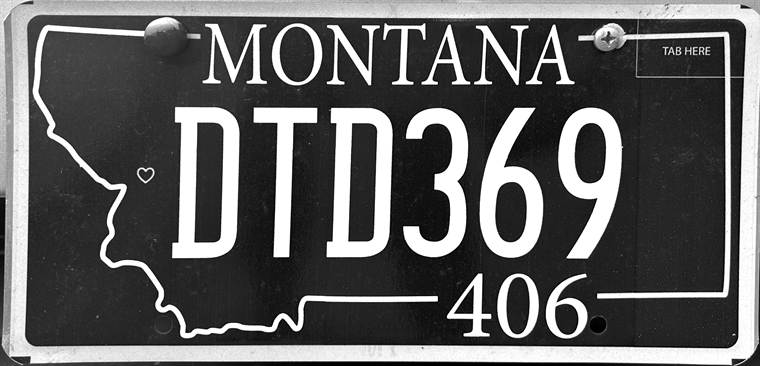
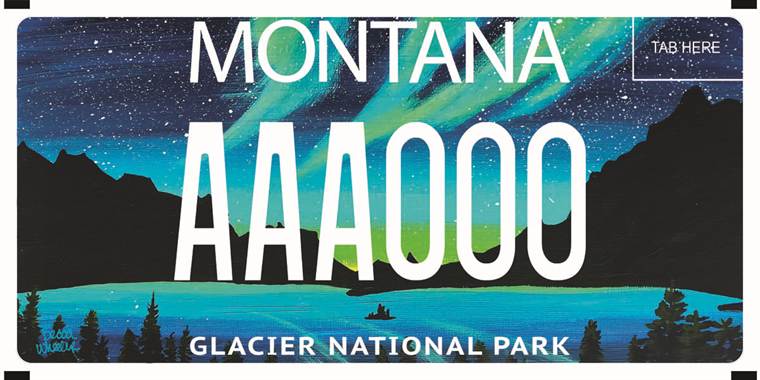
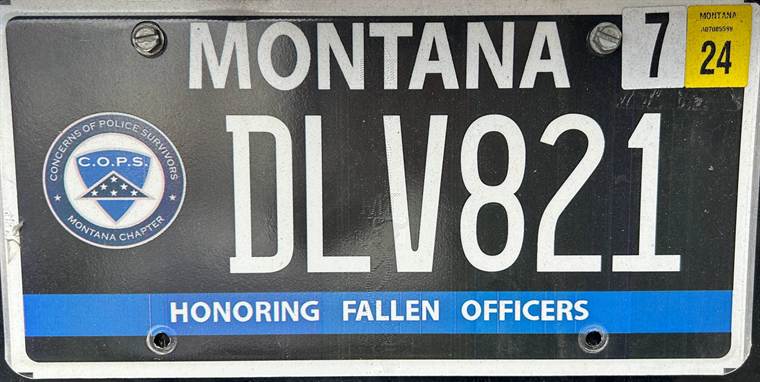
A community plate carries the name of a town, a school or a local group, and the donation supports that program. A 406 face carries the area code that many residents treat as a nickname for the state, and a Glacier Park face points to the crown of the continent. A driver who wants a tag tied to a place picks a face that maps to the home region. A tribute plate honors a group of people, such as a design for fallen officers. The state collects the personal charge and sends the donation to the named fund, and the driver carries the message on the road. A driver who wants a tribute face confirms the design against the vehicle class before the application closes.
Sports and Membership Designs
A sports plate ties the tag to an association, such as a state golf group, and the donation supports youth programs run by that body. A membership plate works the same way for a club or a service organization. A driver who belongs to a group can carry its face and support its work at the same time. A membership design often carries a yearly figure in the $20 to $30 range, with a $10 renewal fee on top. The county collects the personal charge at the start or transfer and again at each renewal, and the state forwards the donation to the group. A driver who leaves the group keeps the plate until the next renewal, then drops the face if the membership lapsed.
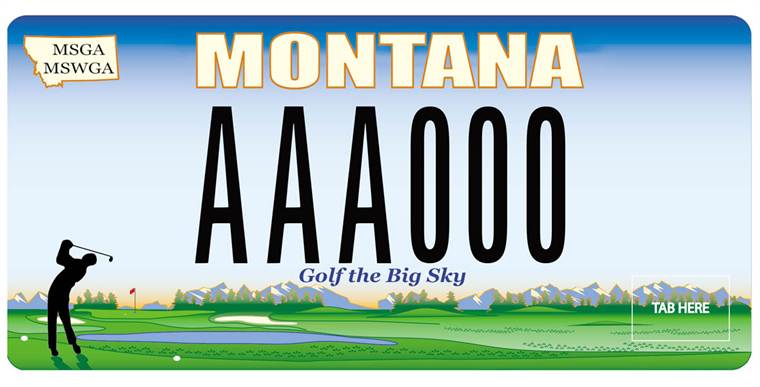
A driver who wants a sports or membership face on a truck can order the design, and the county issues the plate with the same county code as a standard tag. The plate moves between vehicles the same owner holds, and the personal charge settles at each move. The Montana county code list names the office that issues the tag.
Frequently Asked Questions
These five questions come up most often around Montana specialty plates. Each answer stays short so the point lands fast.
How many specialty plates does Montana offer?
The state offers about a dozen designs, from university plates to wildlife tags and veteran series. The full list changes as the legislature authorizes new faces, and the current lineup sits at the county treasurer’s office.
How much does a specialty plate add to the fee?
The personal charge runs $15 to $30 a year at renewal, and the start or transfer fee is often the same figure. The base registration fee sits on that line at $217, $87 or $28 by age, and the fixed charges add a $9 parks fee and a $10 state charge.
Can a specialty plate take the permanent registration route?
No. The state bars six series from permanent registration, and those same six are barred from the one-time fee. A driver who holds a barred series stays on the yearly renewal with the personal charge riding each year.
Can I personalize a specialty plate?
A personal combo may sit on a specialty plate, and the county collects five times the personal renewal fee at the time of permanent filing if the vehicle reaches eleven years and the owner chooses the permanent route. For the yearly route, the $25 start or transfer fee and the $10 renewal fee apply on top of the design fee.
What if I want a design the state does not list?
A driver may request a new specialty face through the special plates advisory board. The board reviews the request and sends a recommendation to the legislature for future authorizations. The current lineup sits at the county office, and a new face takes several sessions to appear.