
The Montana license plate loophole is the name people give to a Montana limited liability company that holds the title to a vehicle for an owner who lives in another state. Montana charges no sales tax on a vehicle purchase and a low registration fee, so a company that titles a car here can lower the first-year cost. The route is legal in Montana, and several states have pushed back against it.
The Montana loophole draws attention from buyers of a high-value car, a motor home or a large RV, and the rules around it changed as states reacted. This page sets out the company route, the sales tax angle, the states that challenge it, the real risks, and what the Montana law actually allows. A buyer who weighs the plan should know both sides before the first filing.
How the Montana Company Route Works
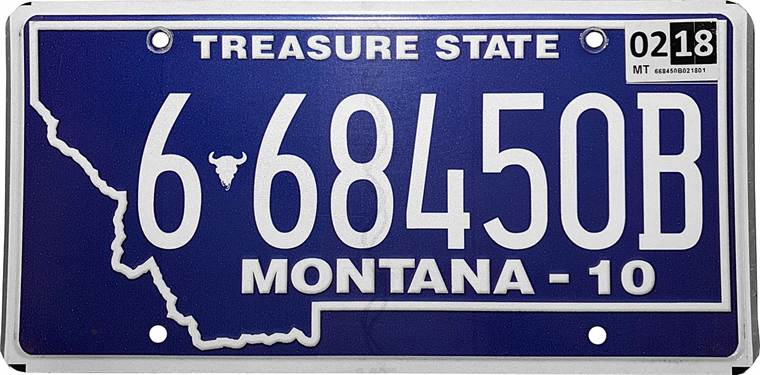
The route starts with a Montana limited liability company. The owner forms the company, names a registered agent in Montana, and the company titles and registers the vehicle here. The plate then carries the county code for the county where the company files. The company holds the record the way a person would, and the owner drives the vehicle as a member.
- Form — create a Montana limited liability company.
- Agent — name a registered agent with a Montana address.
- Title — the company titles the vehicle in Montana.
- Register — the company registers and takes a Montana plate.
https://mvdmt.gov/license-plate-information/The company pays its own filing and agent fees each year, and the vehicle pays the Montana class fee. A light vehicle eleven years or older can take the permanent route at $87.50 once. The company route suits a collector, an RV owner and a buyer of a vehicle that carries a high home-state tax.
The Sales Tax Angle
Montana charges no sales tax, so a vehicle bought through a Montana company pays none at the point of sale. That gap drives most of the interest in the route. A buyer in a state with a high sales tax can save a large sum on a costly vehicle if the home state does not later assess a use tax. A use tax is the other half of the story. Most states that charge a sales tax charge a use tax as well on a vehicle bought elsewhere and brought home. A state can assess the use tax when the vehicle registers there or when the owner establishes the vehicle in the state. That step often erases the saving. A buyer who weighs the route should add the home-state use tax to the picture. A plan that saves the sales tax but draws the same use tax later nets little. The figure depends on the home state and on how long the vehicle stays outside Montana.
| Cost line | Montana company route | Home-state route |
|---|---|---|
| Sales tax | None in Montana | Home-state rate |
| Registration fee | $217, $87 or $28 by age | Home-state rate |
| Company fees | Filing plus agent each year | None |
| Use tax risk | Home state may assess | Paid at purchase |
| Plate | Montana tag with a county code | Home-state tag |
Why States Push Back
States that charge a sales tax lose revenue when a resident routes a vehicle through an out-of-state company, and several have acted. Some states ask for the use tax when a vehicle that lives in the state carries an out-of-state plate. Others treat the company route as a tax avoidance step and assess the difference. A few states watch for a vehicle that sits in the state for most of the year rather than in Montana. A vehicle that rarely returns to Montana draws a question, and the answer can turn into a tax bill. A state can ask for proof that the vehicle is used in Montana rather than at the owner’s home. A state that pursues the route can assess the use tax with interest and a penalty. Some states require a resident to register a vehicle within a set window after it arrives. A buyer who ignores the home-state rule can face the bill later rather than at the counter.
The Real Risks
The first risk is the home-state use tax, and it can erase the saving. The second is the annual company cost, which runs each year the company stays active. The third is the paperwork, since a company that misses its yearly report can fall out of good standing and complicate a title. The fourth risk is insurance. A company vehicle needs a policy that names the company and the driver, and a personal policy that names only the owner can leave a gap. A claim on an uncovered company car can cost more than the tax the route saved. The Montana LLC vehicle registration page covers the insurance step. The fifth risk is a home-state rule that treats the vehicle as a local one. A state can require a registration within a set window, and a driver who keeps the Montana plate past that window faces a citation. A driver should read the home-state rule before the plan starts.
What the Montana Law Allows
Montana law allows a company to title and register a vehicle in the state, and it does not ask the company to have a physical office here. A registered agent stands in for the company’s address, and the agent accepts legal papers. The company can form from any state and file at a Montana county office. Montana does not run the route as a tax shelter, and the company follows the same insurance and road rules as any owner. The state expects clean records and a current policy. The route is a structure, not a way to skip the law of the home state. A driver who wants the cleanest plan should ask a lawyer or a tax adviser about the home state before the first filing. The Montana side is simple, and the home state is where the question lives. The Montana out-of-state registration page covers the 60-day rule and the papers a new resident files.
The Registered Agent and the Yearly Report
The registered agent holds the company’s Montana address and accepts legal papers for it. The agent files the yearly report that keeps the company active as well. A company that misses the report can fall out of good standing, and the state can restrict its filings until the report lands. A company in good standing keeps its vehicle titles clean, and a lapse can complicate a future sale or a title transfer. The owner should set a reminder for the report each year, and the agent sends one as well. The yearly cost is small next to a title problem at resale. A company that dissolves files the closing papers with the state, and the vehicle record closes with it. A driver who keeps the company open pays the report fee and the agent fee each year. A driver who plans a single vehicle for a short term should weigh the annual cost against the saving.
How a Home State Finds Out
A home state learns about an out-of-state plate in a few ways. A parking ticket, a toll record or a traffic stop can put the plate and the address on the same screen. An insurance claim can do the same, since the policy lists the address where the vehicle sits. A neighbour’s report can start a review as well. A state that charges a use tax can match its motor vehicle records against an address on file. A vehicle that lives at a home address in the state and carries an out-of-state plate draws a question. The state then asks the owner to show where the vehicle is used. A driver who keeps the vehicle in the home state most of the year should expect the question at some point. A clean answer takes a log of the Montana time, a storage receipt or a record of the use. A driver who cannot show the use can face the use tax with interest.
A Case in Numbers
Take a buyer in a state with a 7% sales tax and a $120,000 motor home. The sales tax alone runs about $8,400 at home. A Montana company pays no sales tax on the purchase, and the motor home registers at the state rate for its age, which runs $282.50 a year when it is less than two years old. Now add the company cost. The Montana filing fee, the yearly report fee and the agent fee run a few hundred dollars a year. The motor home then pays the Montana class line each year, from $282.50 down to $97.50 as it ages. The saving against the sales tax looks large on the first look. Then add the use tax risk. If the home state assesses the use tax on the motor home, the figure lands near the sales tax the buyer tried to skip. The route then saves the difference between the two rates and the company cost, which can be small. A buyer should run that number before the plan starts.
The Route for an RV or a Collector Car
A motor home eleven years or older can take the permanent route at a one-time fee of $237.50, which ends the yearly cycle. A collector car can take the permanent route at $87.50 once when the vehicle reaches eleven years. A long-held piece fits the one-time route well, and the company keeps the plate. A collector who holds several cars can run them through one Montana company and one county office. The county issues a plate for each vehicle at its class rate, and the company keeps a single record for the fleet. A single filing session can register a small collection. A motor home that stays parked in one state most of the year draws the closest look from that state. A driver who moves the coach across the country for part of the year has a cleaner answer than one who parks it at a single home address. The Montana permanent license plates page sets out the one-time route.
Clean Records and Good Standing
A company that follows the rules keeps the plan simple. A current insurance policy that names the company and the driver, a current address on file and a yearly report on time cover the Montana side. The company then holds the title without a question from the county. A vehicle that changes hands leaves the company record, and the new owner titles and registers it fresh. The plate stays with the company in most cases, and the company can move it to another vehicle. The Montana license plate transfer page covers the paperwork at a sale. A driver who wants a clean record should keep the registration card, the insurance paper and the title together. A replacement or a renewal asks for the plate number, and the card carries it. The county treasurer confirms the record when a paper is missing.
What a Buyer Should Ask First
Four questions settle most of the plan. Where will the vehicle sit for most of the year, and for how many days? Which home-state fees apply when the vehicle arrives? What does the home state charge for a use tax on a vehicle bought elsewhere? What does the Montana company cost each year, from the filing to the agent? A buyer who answers those four can run the numbers on a page. A buyer who keeps the vehicle at a Montana address for most of the year has a cleaner plan than one who keeps it at home. A buyer who moves the vehicle across several states has a record of use that supports the Montana plate. A buyer who parks the vehicle at a single home address carries the largest risk. A buyer should keep every paper that shows where the vehicle sits and how it is used. A storage receipt, a log of the Montana time and a current policy that names the company all help if a state asks a question. A clean file answers the question before it grows. A buyer who wants a second set of eyes on the plan should talk to a tax adviser in the home state rather than a seller of company services. A seller that earns a fee on the formation has a reason to point at the saving. An adviser who answers to the buyer can point at the risk.
Frequently Asked Questions
These five questions come up most often around the Montana company route. Each answer stays short so the point lands fast.
Is the Montana LLC plate route legal?
Montana allows a company to title and register a vehicle here, and the state does not ask for a physical office. The question sits with the home state, and several states assess a use tax on the vehicle.
Does Montana charge sales tax on a vehicle?
No. Montana charges no sales tax, so a vehicle bought through a Montana company pays none at the point of sale. Most home states can later assess a use tax on the same vehicle.
Which states push back on the Montana plate?
States that charge a sales tax and a use tax are the ones to watch. A state can assess the use tax when the vehicle lives there, and a few require a local registration within a set window.
What does the Montana company cost each year?
The company pays a state filing fee, a yearly report fee and a registered agent fee. The vehicle then pays the Montana class fee, from $217, $87 or $28 a year for a light vehicle by age.
Can I use the route for an RV or a collector car?
Yes. The company can hold an RV, a collector car or a truck. A vehicle eleven years or older can take the permanent route at a one-time fee, which suits a long-held piece.