
Montana license plate frames sit in a grey area that the display law settles in one line: a plate “may not be obstructed from plain view.” A frame that covers the state name, the county code, a character or a registration decal crosses that line, and a stop can follow. A frame that leaves every character and the stickers clear of the edge is fine on the road.
Montana plate frames draw a question from drivers who want a clean look without a citation, and the answer comes from Section 61-3-301. This page sets out the display rule, the two-fastener requirement, the difference between a frame and a cover, and the classes that carry a single plate. A driver who follows the rule keeps the frame and the tag.
How to Mount a Plate and Frame in Montana
Mount the plate first and the frame second. The plate fastens to the bumper or the rear panel by two separate fasteners, and the frame sits over the metal without covering any character or sticker. The plate stays flat, the frame stays tight, and the tag reads the same with or without the frame. A dealer that installs a frame should leave the whole face clear.
- Fasten — the plate needs two separate fasteners.
- Clear view — no frame over a character or decal.
- Flat and tight — the plate may not swing.
- Readable — left to right, or top to bottom if vertical.
https://mvdmt.gov/license-plate-information/A frame that hides a bolt hole can stop the plate from taking two fasteners, and that alone breaks the rule. A frame with a solid back that screws through the plate can leave a single fastener holding the tag. A driver who wants a frame should pick one that leaves both mounting holes open and the face clear.
What the Display Law Says
Section 61-3-301 carries the rule in plain terms. A license plate must be securely fastened to prevent it from swinging and may not be obstructed from plain view. The law defines what “conspicuously displayed” means as well, and that definition drives the frame question. A frame that hides part of the tag works against both lines. The section asks for a plate on the front and the rear of most motor vehicles. A motorcycle, a quadricycle, a trailer, a semitrailer, a pole trailer and a travel trailer carry a single plate on the rear. A custom vehicle and a street rod may display a single plate on the rear exterior. The Montana front license plate laws page lists each class and its plate count. The section bars a few moves around the plate. A driver may not display plates issued to one vehicle on another, and the transfer must follow the statute. A driver may not repaint an old plate to look current, and a driver may not invert or reverse a tag. Each of those moves carries its own citation.
The Two-Fastener Rule
The definition of “conspicuously displayed” asks for two separate fasteners for the plate. A motor vehicle with front and rear bumpers fastens each plate to the bumper. A trailer or a single-plate class fastens the tag to a clearly visible spot on the rear of the vehicle. A frame that blocks a mounting hole breaks that rule, since the plate can no longer take two fasteners. A frame with a full backing plate can hide the lower holes on some tags. A driver who wants a clean look should check the mounting pattern on the vehicle before the frame goes on. A plate that hangs from one bolt can swing, and the statute bars a plate that swings. A frame that leaves the plate loose works against the rule as well. A snug mount with two bolts and a frame that clears the face keeps the tag legal.
| Element | What the law asks |
|---|---|
| Fastening | Two separate fasteners for the plate. |
| Plain view | The plate may not be obstructed. |
| Swing | The plate may not swing on the mount. |
| Orientation | Horizontal reads left to right; vertical reads top to bottom. |
| Front plate | Required on most motor vehicles, with a waiver for body limits. |
When a Frame Crosses the Line
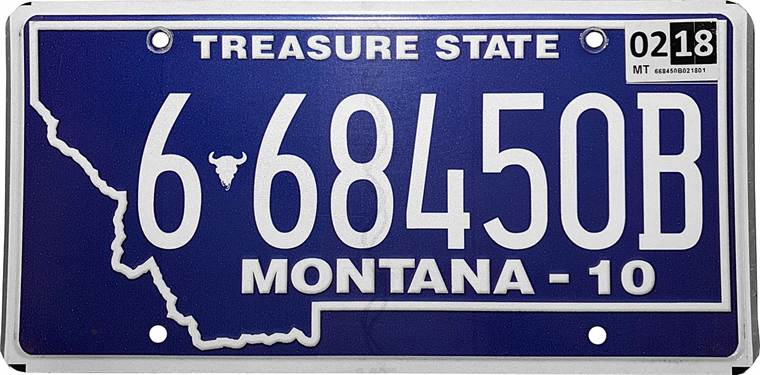
A frame crosses the line when it covers any part of the tag. A wide frame that clips the state name hides a word the law asks to show. A deep frame that covers the top row of characters hides the serial. A thick bottom rail that covers the registration decal hides the tab. Each one is an obstruction in plain terms. A frame that leaves the face clear but blocks the mounting holes crosses the line on the two-fastener rule. A frame with a solid lip that sits behind the plate can push the plate off the mount. A driver should test the frame against the whole face before a long drive, not after a stop. A plate that a frame tilts back crosses the line as well. A tag angled so the top row fades in the light is a tag that a reader cannot place. A plate that a frame tilts up hides the lower characters from a patrol car at a distance. Keep the plate flat and the frame square.
Covers, Tints and Screens
A cover is not a frame. A clear or smoked cover that sits over the plate changes how the tag reflects light, and a tinted cover can defeat the reflective coat the state puts on the metal. Montana bars a plate that is obstructed from plain view, and a cover that dims the face works against that rule. A reflective coat helps an officer read a tag at night, and a screen that cuts the reflection breaks the point of the coat. A cover that darkens the face can hide the plate from a camera as well. A driver who wants a cover should check the current rule with the county, since the reading can shift with the design of the cover. A frame with a clear plastic window over the face can sit closer to the line than a bare frame. A cover that gathers dirt or clouds over a winter can hide a character by spring. A driver who runs a cover should clean it with the plate and check the face each season.
Frames on Different Vehicles
A motorcycle and a trailer carry a single plate, and a frame on those classes follows the same rule as a car. A rider who mounts a frame should keep the whole face clear and the tag tight to the fender. A trailer frame should leave the bolt holes open so the tag takes two fasteners. A custom vehicle and a street rod may display a single plate on the rear, and a frame on those classes still keeps the face clear. A collector who wants a period frame from the same decade as the car can run one as long as it hides nothing. The Montana license plate types page lists the classes and their plate counts. A vehicle whose body leaves no room for a front plate can take a waiver from the highway patrol. The owner files an application with a $25 inspection fee, and an officer issues a certificate after an inspection. The driver keeps the certificate in the vehicle and shows it on demand. The front plate laws page covers that path in full.
Choosing a Frame
A driver who wants a frame should pick one that leaves the whole face open. A slim frame that rings the edge without a lip works on most vehicles. A frame with open mounting holes lets the plate take two fasteners. A stainless frame holds up through road salt better than a painted one. A frame with a slogan or a brand name should sit where it does not cover the state name or the county code. A frame that runs a message along the bottom can clip the decal if it sits too deep. Measure the gap between the plate edge and the decal before the frame goes on. A driver who loses or damages a plate with a frame installed takes the replacement path at the county office, and the frame comes off for the swap. A replacement carries a $10 fee, or $15 to hold the same serial. The Montana replacement license plates page covers the steps.
Frames and the Reflective Coat
The state puts a reflective coat on every standard plate, and the coat helps an officer read a tag at night. A frame that covers the edge of the coat can cut the reflectivity along that side. A frame that sits flat against the face can dim the whole plate in headlights. Keep the frame off the reflective surface and the coat works the way it was made to. A driver who runs a plate at night should check how the tag reads in a beam of light. A frame that casts a shadow across the characters hides them from a reader at a distance. A frame that reflects light back can wash out the face as well. A slim frame with a matte finish reads best after dark. A plate that loses its reflective coat through age or a rough cleaning reads worse at night, and a frame on top of a worn plate makes the tag harder to read. A plate that has faded past reading should be replaced rather than framed. The county issues a fresh tag, and the new coat restores the night read.
Dealer Frames and Branded Frames
A dealer often installs a branded frame at the sale, and the frame carries the dealership name along the bottom. A branded frame is fine when it leaves the whole face clear and the mounting holes open. A frame that covers the state name or the county code crosses the line, even when it comes from the dealer. A driver who does not want the dealer frame can swap it for a plain one, and the swap takes a few minutes. The plate stays on the vehicle, and the frame comes off with the two bolts. A driver who keeps the dealer frame should check that the bottom rail clears the registration decal. A branded frame that hides a bolt hole can leave the plate on a single fastener, and that breaks the two-fastener rule. A driver should check the mount after a frame install, since a plate that swings draws the same stop as a covered tag. The class list shows the plate each one carries.
Frames for a Vintage or Antique Plate
A driver who runs an antique or collector plate may want a period frame from the same decade as the tag. A period frame is fine when it hides nothing, and many old frames sit narrow enough to clear the face. A collector should check the frame against the plate before a show, since a covered character fails the same rule on the road as it does at a stop. A restored plate that was repainted to look current breaks a separate rule, and a frame does not fix that. A driver who wants an old plate on the road should use a tag the state still issues or a valid collector plate. The state bars a repainted plate that copies a current design. A collector who displays a plate on a wall can frame it any way at all, since the display rule covers the road rather than a shelf. A plate on a vehicle answers the law, and a plate in a frame at home does not. The Montana license plate history page covers the designs a collector may meet.
What Happens at a Stop
An officer who cannot read a tag has grounds for a stop, and a citation follows the stop. A frame that hides a character gives the officer a reason to pull the vehicle over. The amount sits with the court schedule, and the figure can shift from one county to the next. A driver who gets a citation can correct the plate and show the fix to the court where the rules allow it. Removing the frame or fitting a slimmer one clears the face, and a photo of the tag can support the fix. The county office can confirm which part of the plate must show too. A driver who wants to avoid the question altogether should pull the frame and check the face in daylight. A tag that shows every character, the county code and the decal is a tag that reads from a patrol car. A slim frame around a clear plate keeps the look and the rule together, and the tag stays readable through the road-salt months.
Frequently Asked Questions
These five questions come up most often around a Montana plate frame. Each answer stays short so the point lands fast.
Are license plate frames legal in Montana?
Yes, when the frame leaves the whole plate clear. Section 61-3-301 bars a plate that is obstructed from plain view, so a frame that covers a character, the county code or a decal crosses the line.
Can a frame cover the registration decal?
No. A frame that hides the decal hides a tab the state asks to show, and an officer who cannot read the tag has grounds for a stop. Keep the decal and the face clear of the frame.
Do I need two bolts for a Montana license plate?
Yes. The law defines “conspicuously displayed” as firmly attached by two separate fasteners. A frame that blocks a mounting hole breaks that rule and lets the plate swing.
Is a smoked plate cover legal in Montana?
A cover that dims the face works against the rule that a plate may not be obstructed from plain view. It can defeat the reflective coat as well. Check the current rule with the county before you run one.
What if my car has no room for a front plate?
The owner can apply to the highway patrol for a front-plate waiver, with a $25 inspection fee. An officer issues a certificate after an inspection, and the driver carries it in the vehicle.